2026 Holiday Box Office Proves Franchise Fatigue Isn't Dead, Just Picky
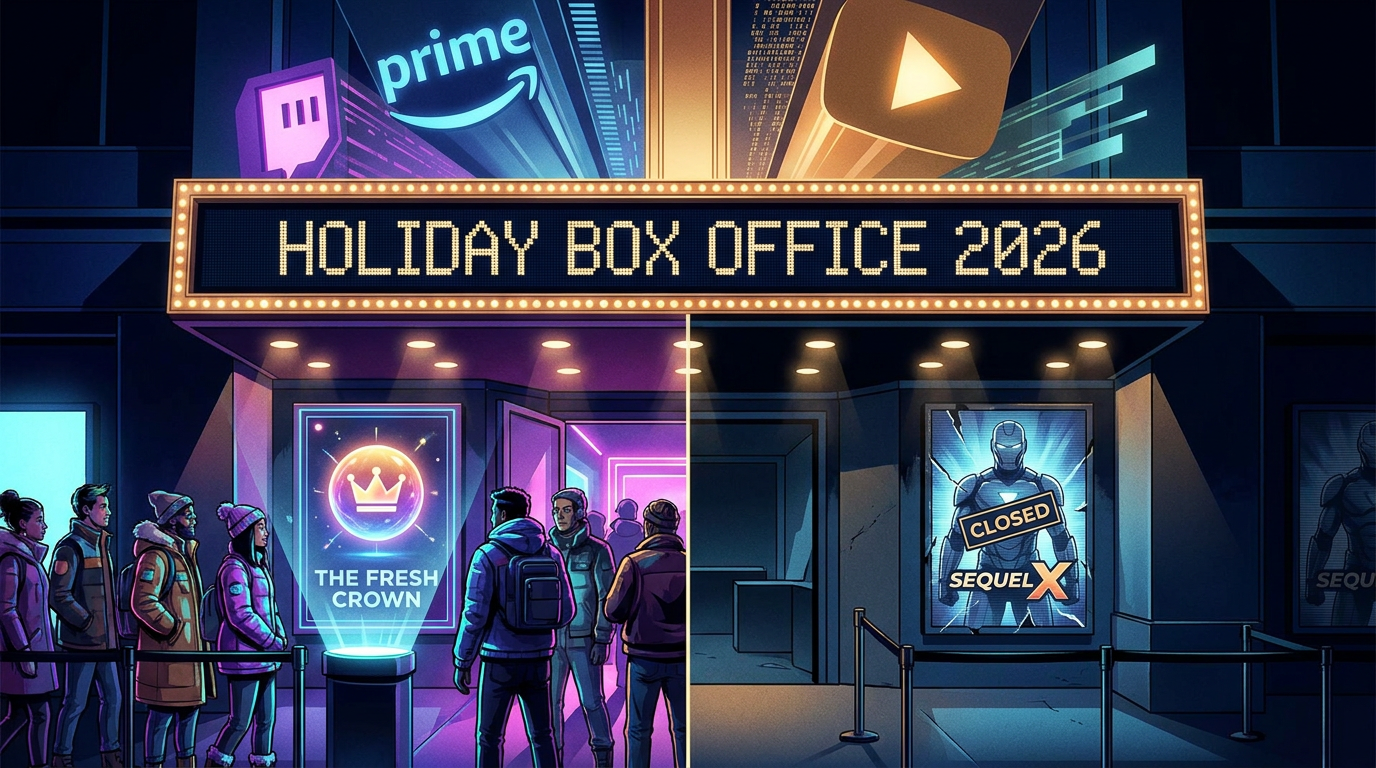
The late-year theatrical slate reveals audiences are ditching formulaic sequels in favor of singular auteur visions and high-concept events. Studios must rethink the traditional blockbuster playbook as premium formats become the ultimate differentiator.
In brief: The 2026 holiday theatrical season highlights a seismic divide between event cinema and generic franchise extensions. As moviegoers strictly ration their ticket dollars for premium large-format experiences, Hollywood faces mounting pressure to recalibrate production budgets and theatrical windows.
As theaters barrel into the lucrative late-November corridor, the conventional wisdom surrounding the traditional Hollywood blockbuster has shattered. Multiplexes are no longer sustaining the automatic billion-dollar windfalls that legacy IP guaranteed a half-decade ago. Instead, domestic returns paint a portrait of a hyper-selective audience willing to turn out in droves for singular cinematic spectacles while completely ignoring mid-tier franchise spinoffs and perfunctory universe-building entries.
The PLF Premium and Declining Admissions
A closer look at ticket receipts indicates that overall attendance volume remains noticeably softer than pre-pandemic benchmarks, even as total domestic gross holds steady. That balance sheet stability is almost exclusively supported by Premium Large Format surcharges, from IMAX screens to Dolby Cinema auditoriums. Audiences have made it clear that if they are going to leave their living rooms, the physical sensory presentation must justify the compounding costs of parking, concessions, and reserved seating. When a film fails to mandate the large-canvas treatment, consumers simply wait out the shortened window for home viewing.
This behavioral shift has punished conventional comic book installments and retread sci-fi chapters that rely on gray visual palettes and algorithm-driven storylines. Studios that bloated mid-tier character pieces with 250-million-dollar production budgets are finding zero margin for error. Without glowing word of mouth or an urgent social imperative, modern popcorn fare is suffering brutal second-weekend drops, routinely cratering by sixty percent or more after initial fan rushes subside.
The Re-Emergence of the Auteur Engine
Conversely, original event pictures and auteur-driven properties are flourishing in the late-2026 landscape. Studios that empowered distinct creative voices with reasonable production guardrails are reaping both critical prestige and theatrical longevity. Audiences are signaling a hunger for genuine narrative stakes, physical location work, and practical effects over sanitized soundstage environments. Word of mouth has once again replaced aggressive carpet-bomb marketing campaigns as the most reliable engine for multi-week theatrical legs.
The mid-budget tier is also staging an indispensable survival maneuver through the horror and elevated genre sectors. Studios that partnered with specialized production outfits have realized that sixty-million-dollar domestic runs on a fifteen-million-dollar negative cost yield far healthier balance sheets than nine-figure gambles. These leaner productions are keeping suburban theater circuits afloat during the mid-week troughs, providing exhibition partners with dependable concession revenue while tentpoles oscillate between feast and famine.
Rethinking the Windowing Consensus
The persistent challenge heading into the new year remains the unresolved friction over the streaming window. The uneasy consensus allowing studios to push underperforming theatrical titles onto digital storefronts within thirty days has effectively trained casual filmgoers to stay home. While studio executives privately celebrate quick digital transactional revenue, exhibition chains argue that compressing windows permanently cannibalizes back-half theatrical legs. The current holiday numbers prove that titles granted a strict sixty-to-ninety-day exclusivity window demonstrate far superior cultural resonance and secondary catalog value.
Looking ahead to 2027, studio slates will inevitably reflect this painful but necessary market correction. Development slates are already pivoting away from bloated interconnected universes in favor of self-contained, event-level cinema with disciplined balance sheets. The modern blockbuster is not going extinct, but its survival depends on studio brass respecting theatrical audiences as discerning cultural curators rather than passive consumers of repetitive content mills.