AI's Creative Revolution: Unpacking Generative Video's Impact on Filmmaking
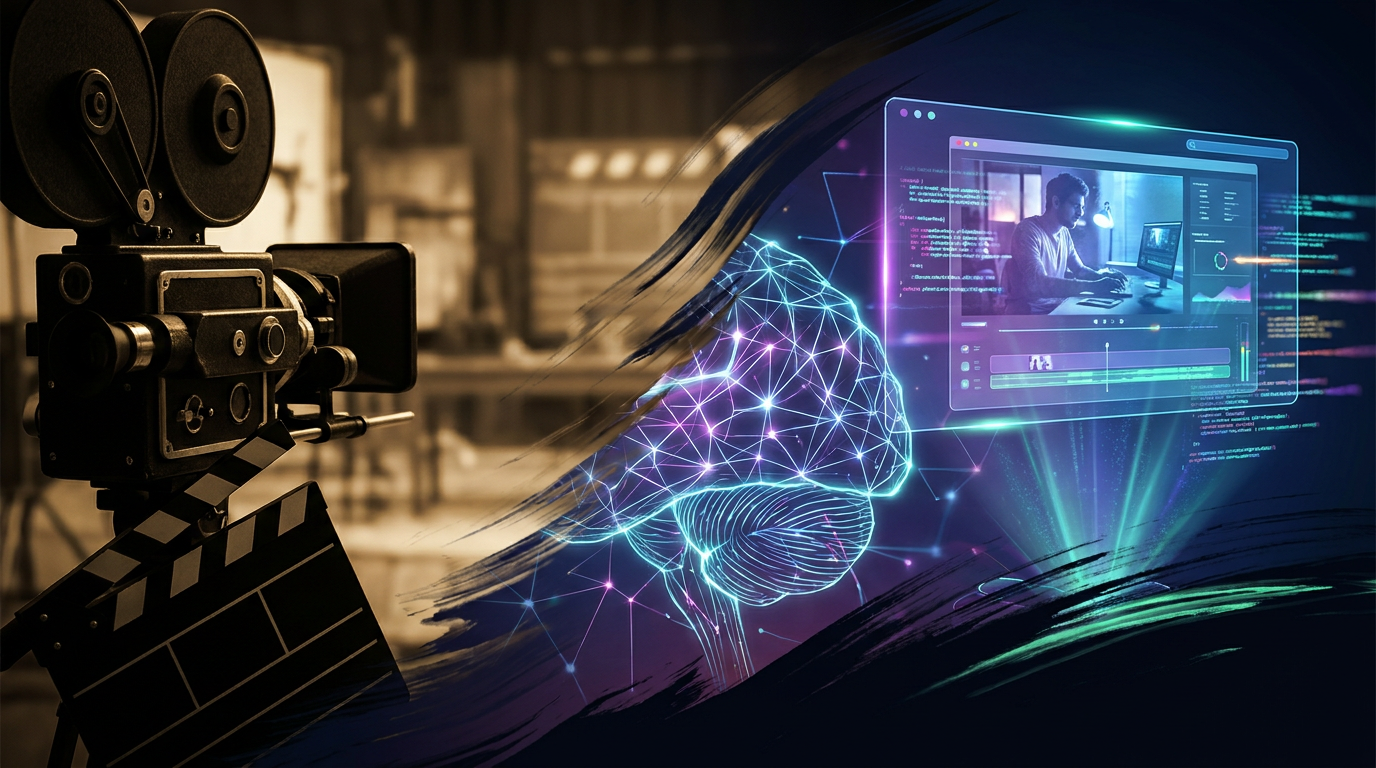
Generative AI is poised to revolutionize the film industry, offering filmmakers unprecedented tools for video creation and manipulation. From concept visualization to post-production, these AI-powered technologies promise to democratize high-end effects and streamline workflows, fundamentally alteri
In brief: The advent of generative video AI tools is rapidly transforming the landscape of filmmaking, offering filmmakers powerful new capabilities for everything from pre-visualization to complex visual effects and even character generation. While these technologies hold immense promise for accelerating production, reducing costs, and unlocking new creative avenues, they also introduce significant questions regarding authorship, the future of traditional craft roles, and the potential for a homogenization of visual styles. The industry is currently navigating how to integrate these innovations responsibly and effectively.
The whisper of AI in filmmaking has grown into a roar. With generative video tools now moving beyond experimental stages into practical applications, the industry stands on the cusp of a profound creative revolution. These technologies, capable of generating entire sequences, modifying scenes, or even creating digital actors from text prompts, are not just efficiency boosters; they are reimagining the very fabric of visual storytelling. Filmmakers are beginning to experiment with these tools, recognizing their potential to unlock previously unattainable creative visions and accelerate complex production processes.
For decades, film production has been a labor-intensive, resource-heavy endeavor. Visual effects, in particular, demand vast teams of artists and significant budgets. Generative AI offers a compelling alternative, potentially democratizing access to high-fidelity visual effects that once were the exclusive domain of blockbusters. Imagine a low-budget indie film having access to stunning digital environments or complex character animations with a fraction of the traditional cost and time, allowing visionaries to focus more on narrative and less on logistical constraints.
Creative Synergy or Artistic Dilution?
One of the most exciting applications is in pre-visualization and concept development. Directors and cinematographers can rapidly iterate on ideas, generating various camera angles, lighting setups, or stylistic approaches in real-time, long before a single frame is shot. This allows for a more fluid and experimental approach to storytelling, empowering creators to fine-tune their vision with unparalleled speed and precision, leading to a more coherent and polished final product.
However, this rapid advancement isn't without its complexities. The increasing sophistication of AI models raises critical questions about authorship. If an AI generates a significant portion of a film's visual content, where does the human creator's contribution end and the machine's begin? This debate extends to copyright, compensation for artists whose work is used to train these models, and the very definition of creative originality in an era of algorithmic generation. The industry is grappling with how to credit, compensate, and ethically deploy these powerful tools.
Furthermore, there's a palpable concern among artists and craftspeople about job displacement. While AI could liberate creators from tedious tasks, it also threatens roles in areas like concept art, animation, and junior visual effects. The challenge for the industry will be to adapt, reskill, and redefine roles, fostering a symbiotic relationship where AI acts as a powerful co-pilot rather than a replacement, allowing human creativity to reach new heights rather than be stifled. The fear is not necessarily that AI will take over, but that the human element will be undervalued.
As generative video tools continue to evolve, their integration into filmmaking will undoubtedly be a defining narrative of the coming years. The future of cinema may involve a delicate dance between human ingenuity and artificial intelligence, where the most compelling stories are told not just by visionaries, but by visionaries empowered by sophisticated algorithms. The key will be to harness this power responsibly, ensuring that technology serves artistic expression, rather than dictating it, preserving the soul of storytelling amidst a sea of algorithmic wonder.