Box Office Battles: Blockbusters Struggle to Sustain Momentum Amid Shifting Viewer Habits
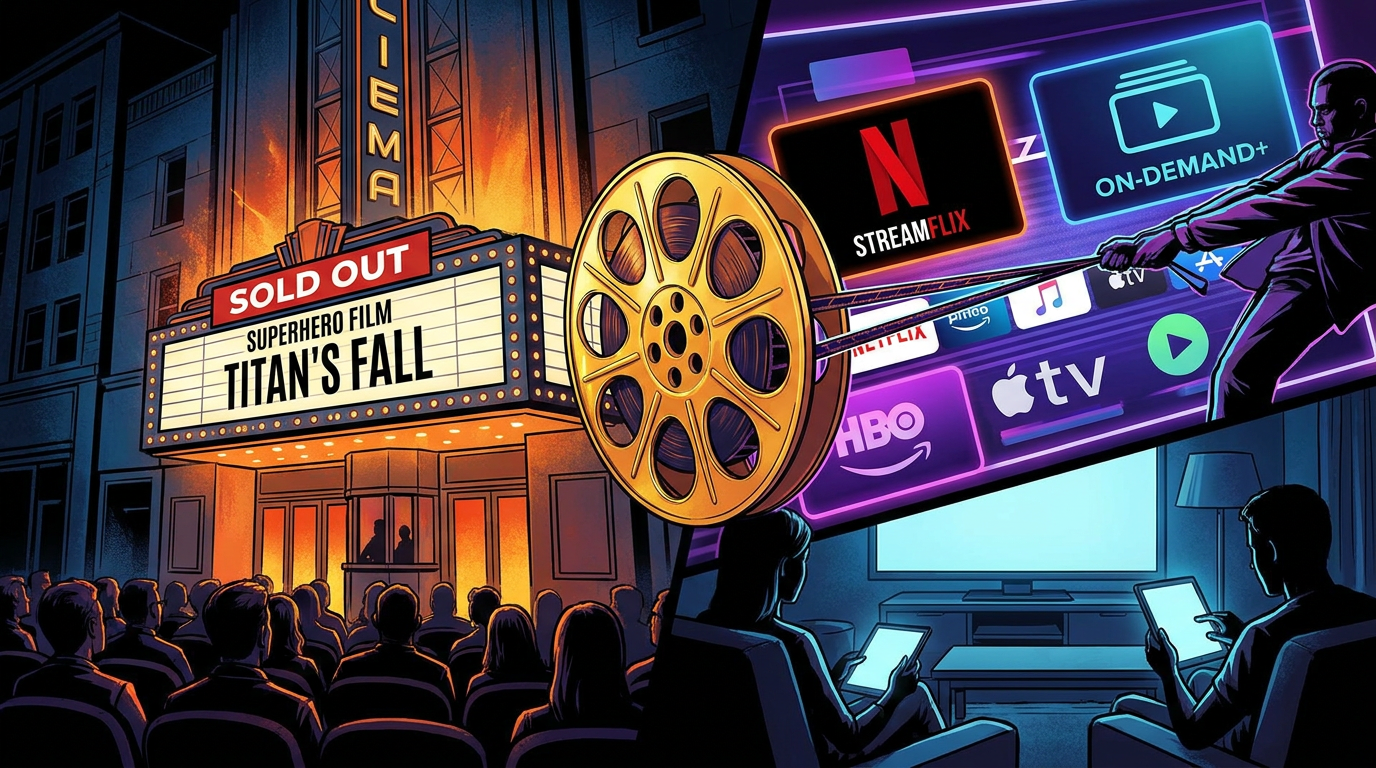
The traditional box office landscape is undergoing a dramatic transformation, as 2026 continues to see a complex pattern of audience engagement with cinematic releases. While a few tentpole blockbusters still manage to draw crowds, the consistent underperformance of many high-budget films signals a
In brief: The 2026 box office has presented a mixed bag, with a handful of major blockbusters achieving significant success, but many others failing to meet expectations, despite their high production values and established intellectual property. This trend highlights a fundamental shift in audience behavior, as moviegoers become more selective about theatrical visits and increasingly embrace streaming or premium video-on-demand for new releases. Studios are now grappling with the challenge of justifying massive budgets for films that don't consistently translate into blockbuster theatrical returns, prompting a reevaluation of release windows, marketing strategies, and content development in a post-pandemic, streaming-first world.
The glamour of the summer blockbuster season once guaranteed packed theaters and astronomical returns, but in 2026, the narrative is decidedly more nuanced. While a select few mega-franchise entries and surprise hits have managed to ignite the box office, a noticeable trend of underperformance from other high-profile, big-budget films continues to underscore a profound shift in audience viewing habits. Moviegoers are increasingly discerning, reserving their precious time and disposable income for cinematic events that truly warrant the big screen experience, rather than automatically flocking to every major release. This selectivity is forcing studios to confront an uncomfortable truth: simply having a recognizable brand or massive special effects budget is no longer a surefire path to success.
This evolving landscape isn't merely a post-pandemic hangover; it represents a deeper, more permanent recalibration of how films fit into the broader entertainment ecosystem. The convenience and quality of home entertainment, coupled with the sheer volume of content available on streaming platforms, have raised the bar for what constitutes a compelling reason to leave the house. Films that might have been moderate hits years ago now struggle to break even theatrically, even before considering their global reach. The theatrical window, once sacrosanct, is now just one part of a multi-platform release strategy, and its financial weight is being constantly re-evaluated.
The Streaming Conundrum and Content Overload
One of the primary antagonists to the traditional box office is, ironically, the studios' own streaming services. With major players like Warner Bros. Discovery, Disney, and Paramount pushing content directly to their subscribers, there's an inherent tension between maximizing theatrical revenue and bolstering subscriber numbers. Films that debut quickly on streaming after a short theatrical run can cannibalize box office potential, even if they satisfy a different metric of success for the studio's overall business model. Audiences, now conditioned to expect rapid home access, are less inclined to rush to theaters for films that aren't deemed absolute must-sees.
Adding to this challenge is the sheer volume of content. The 'Peak TV' era has expanded into 'Peak Everything,' with new movies, series, documentaries, and specials constantly vying for audience attention across dozens of platforms. In such a saturated environment, a film needs more than just a marketing blitz; it needs cultural resonance, strong word-of-mouth, or a unique premise that cuts through the noise. Generic plots or retreads of old ideas, even with A-list stars, are finding it harder to connect with an audience that has an abundance of fresh alternatives at their fingertips.
Furthermore, rising ticket prices, concession costs, and the overall economic climate play a significant role. For many families, a trip to the cinema is now a substantial investment, often competing with other leisure activities. This makes the decision to attend a film more deliberate and research-driven, with social media buzz and critical reception playing an outsized role. A negative review or even mixed audience sentiment can quickly cripple a film's theatrical prospects before it even gets off the ground, highlighting the fragility of early momentum.
What Does the Future Hold for Blockbusters?
The path forward for blockbusters and the box office is likely to involve more calculated risks and a greater emphasis on event-level storytelling. Studios may increasingly opt for fewer, but more carefully curated, theatrical releases, pouring resources into projects that inherently lend themselves to a grand cinematic experience. This might mean fewer mid-budget dramas hitting the big screen, as those are increasingly migrating directly to streaming, and a renewed focus on spectacle, immersive technologies, and narratives that truly demand collective viewing.
Marketing strategies are also evolving. Gone are the days when a few trailers and billboards were enough. Studios are now leveraging social media influencers, interactive campaigns, and experiential promotions to create a sense of urgency and cultural conversation around their tentpoles. The success of a film is now often measured by its ability to generate widespread discussion and community engagement, transforming a movie release into a cultural moment rather than just a transaction. The industry is in a continuous state of adaptation, and the next few years will be crucial in defining the new norms of cinematic consumption.
Ultimately, the box office will continue to be a vital, albeit changed, part of the film industry. The struggle to sustain blockbuster momentum is forcing a necessary reckoning, pushing studios to innovate in both content creation and distribution. Those who can identify and cater to the new demands of a discerning global audience, while effectively integrating theatrical releases with their broader streaming strategies, will be the ones that thrive. The era of guaranteed theatrical success based on brand alone is waning, ushering in a new age where genuine cinematic impact and cultural relevance are paramount.