Cutting Primetime: Editor Daniel Garber on Taming a Mountain of Footage
Fresh out of college, he took a job as a researcher and "glorified assistant editor" on a documentary that became The Reagan Show . He clung to that project for three years and worked his way up to finishing editor, which he calls “his grad school.” Now he's cut Some Kind of Heaven , How to Blow Up a Pipeline , and his latest, Primetime , now in theaters. He sat down with Mike Valinsky on The Maki
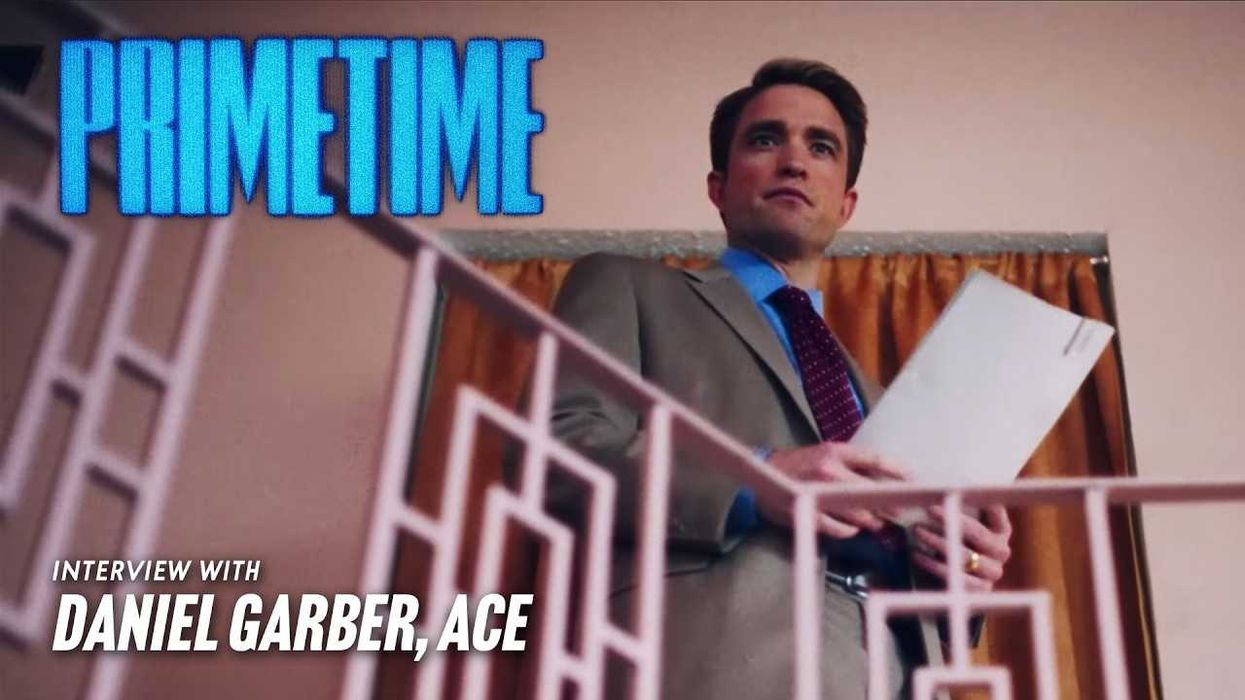
Fresh out of college, he took a job as a researcher and "glorified assistant editor" on a documentary that became The Reagan Show. He clung to that project for three years and worked his way up to finishing editor, which he calls “his grad school.”
Now he's cut Some Kind of Heaven, How to Blow Up a Pipeline, and his latest, Primetime, now in theaters. He sat down with Mike Valinsky on The Making Of podcast to talk about how it came together.
A documentary editor in a narrative world
Daniel's background is archival documentary, where you sift through a pile of footage and let it tell you what the movie is. You're the writer and the editor at once. He brought that mindset to Primetime, working with director Lance Oppenheim, whom he's known since Lance was a college senior. Lance encourages actors to ad-lib and deviate from the script, which gave Daniel plenty of content to work with in post.
14 cameras, hundreds of hours
The production used 14 camera bodies, sometimes 10 rolling at once. Formats ranged from a cinema camera to DV surveillance footage to a colonoscopy camera and a battered Plumbicon tube camera. Daniel credits his assistant editor, Katie Gonzalez, with taming it all through detailed string-outs and multicams.
The harder problem was creative. How do you make that many formats feel like one film? That’s when Daniel and Lance built a visual language to teach the audience how to watch it from the opening scenes.
Daniel cut the whole thing in Adobe Premiere, using Productions so he and his assistant can work on the same footage, whether working side-by-side or remotely. When on set or on edit retreats with Lance, he took a portable drive and worked from his laptop.
Daniel's advice for up-and-coming editors
- Watch a lot of movies, ideally in a theater. Then look at who your favorite filmmakers learned from and watch their films too.
- Keep showing up. Nobody notices you at first. If you stick around and keep making things, people start taking you seriously.
- Trust your first reaction. On a tight schedule, Daniel cut on instinct. If a moment stands out, log it, even if you can't say why yet.
- Plan to revisit. What you need at the start of an edit isn't what you need at the end. Go back to your selects and rebalance as the story changes.
Hear it from Daniel
The full conversation also covers his favorite films and what he's working on next. [Watch the full video]