Esports on the Rise: Could Mainstream Sports Networks Be the Next Frontier?
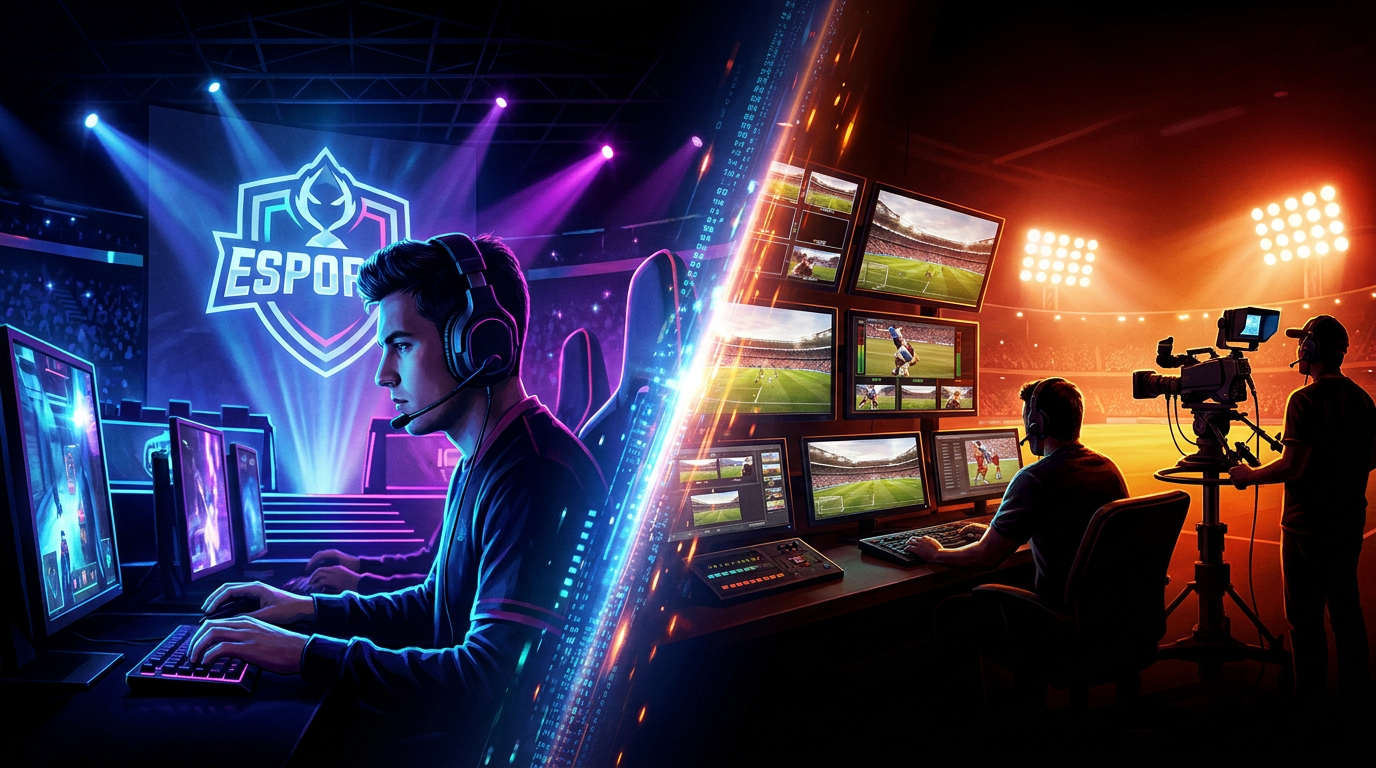
Esports continues its meteoric ascent, drawing in millions of viewers and significant investment. As traditional sports broadcasting grapples with evolving consumption habits, the integration of competitive gaming could offer a vital pathway to new demographics, presenting both unique opportunities
In brief: The growing popularity and commercial viability of esports are making it an increasingly attractive asset for mainstream sports networks. While viewership and engagement metrics for competitive gaming are formidable, integrating esports into traditional broadcasting models involves overcoming hurdles related to production values, audience understanding, and sponsorship alignment. Success hinges on finding a balance between authentic representation and mass appeal, potentially redefining what constitutes "sports" entertainment for a new generation of viewers and advertisers.
Esports isn't just a niche phenomenon anymore; it's a global entertainment powerhouse. With staggering viewership numbers across platforms like Twitch and YouTube, and major investment pouring into professional leagues and events, the question is no longer *if* esports will fully break into the mainstream, but *how* and *where*. The most tantalizing prospect for expansion lies within traditional sports broadcasting, a sector constantly seeking fresh content and younger demographics.
For years, the narrative around esports was one of gradual growth, but in recent times, that growth has accelerated dramatically. Top-tier tournaments fill arenas, prize pools rival those of established sports, and professional players achieve celebrity status. This organic rise has created a compelling product that, with careful curation, could translate seamlessly to linear television or dedicated streaming services offered by traditional sports networks, potentially reinvigorating their programming lineups.
The Appeal and the Adaptation Challenge
The appeal for networks is obvious: a young, digitally native audience that is often elusive to traditional media. Esports offers consistent engagement, compelling narratives of skill and competition, and a vast library of content. However, simply airing a Twitch stream isn't enough. Networks would need to invest in broadcast-quality production, compelling commentary that educates newcomers without alienating purists, and storytelling that highlights the human element behind the pixels.
One of the primary challenges involves bridging the cultural gap between hardcore gaming fans and a broader sports audience. Esports jargon, complex game mechanics, and rapid-fire action can be intimidating to the uninitiated. Successful integration would require broadcasters to develop a new style of presentation – one that respects the game's depth while making it accessible and exciting for viewers who might be tuning in for the first time. This means innovative graphics, clear explanations of strategy, and charismatic personalities capable of captivating diverse audiences.
Furthermore, the commercial models for esports, heavily reliant on in-game purchases, sponsorships from tech and beverage brands, and direct fan engagement, differ from traditional sports advertising. Networks would need to adapt their sales strategies to align with these unique ecosystems, fostering partnerships that resonate with the esports community while also appealing to broader market advertisers. The potential for cross-promotional opportunities, however, could be immense, creating new revenue streams for all involved.
Looking ahead, the successful integration of esports into mainstream sports broadcasting isn't just about showing games; it's about expanding the definition of sport itself. As viewership trends continue to evolve, the networks that embrace competitive gaming most effectively will likely be the ones best positioned to capture the next generation of sports fans, proving that the digital arena is just as thrilling as the physical one. This shift could herald a new era of entertainment, where strategic thinking and lightning-fast reflexes command the same respect as physical prowess, broadcast to millions across the globe.