Film Quote of the Day: How Splatterfest Cult Classic 'Hardware' Defined the Value of Human Life
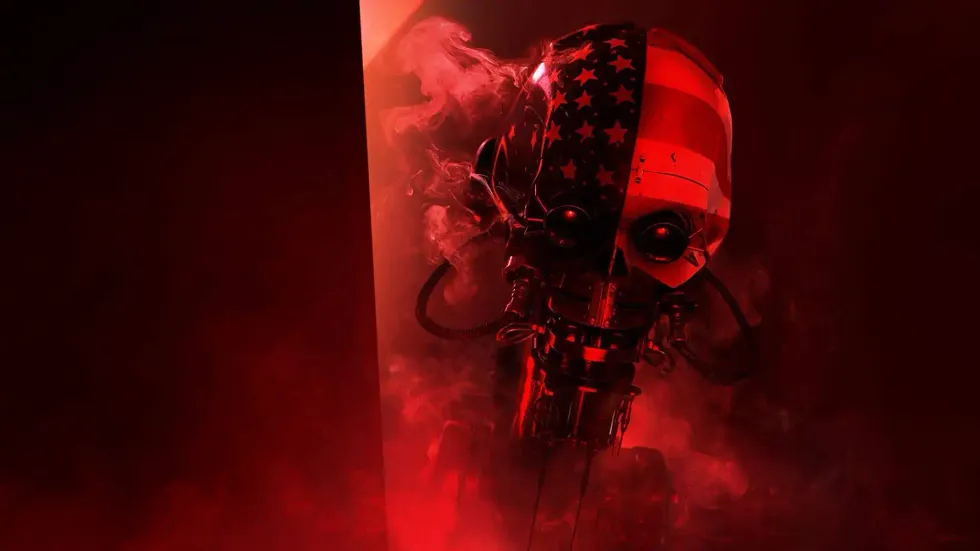
Last night, my buddy Eric blew my mind and lent me his 4K copy of this cult movie I have been looking for, Hardware ; it's an insane story about an AI robot killing people in gory ways, and every day it feels more and more like our future. I digress. Anyway, Richard Stanley’s 1990 cyber-splatter film is best remembered for its scorched-earth aesthetic, industrial soundtrack, and the MARK 13 that k
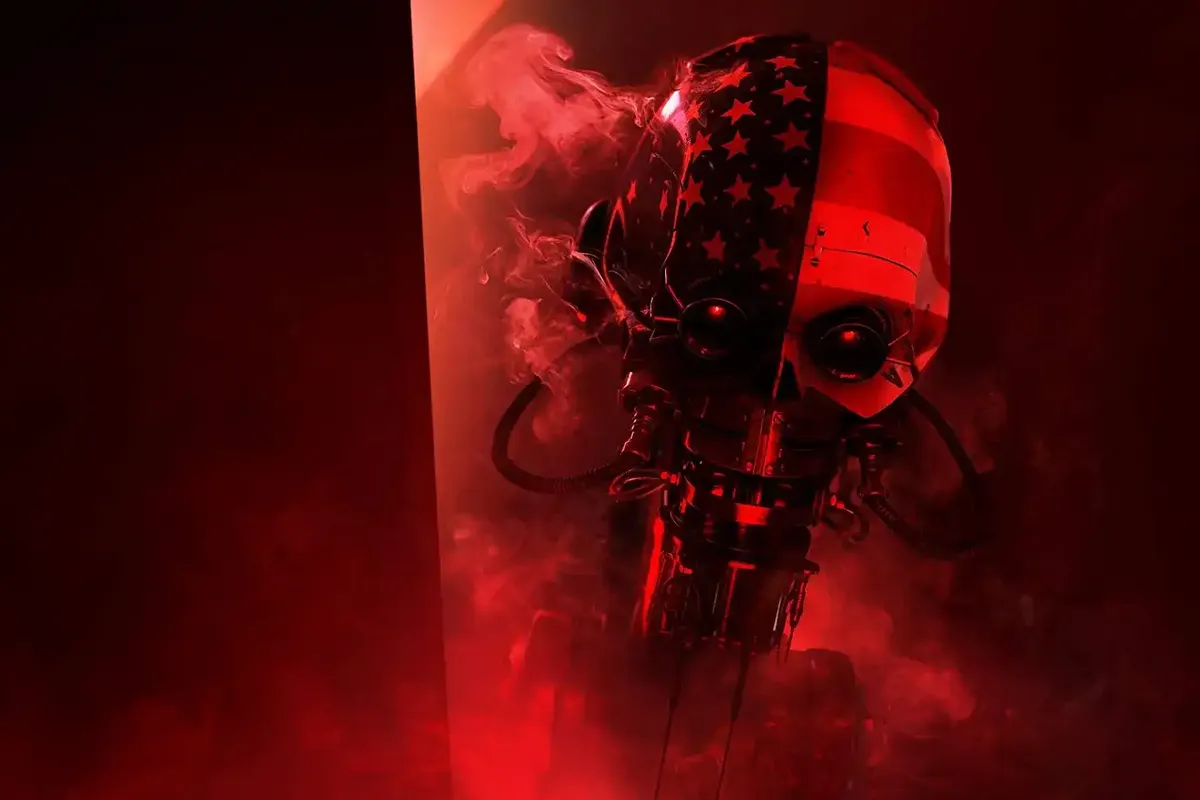
Last night, my buddy Eric blew my mind and lent me his 4K copy of this cult movie I have been looking for, Hardware; it's an insane story about an AI robot killing people in gory ways, and every day it feels more and more like our future.
I digress.
Anyway, Richard Stanley’s 1990 cyber-splatter film is best remembered for its scorched-earth aesthetic, industrial soundtrack, and the MARK 13 that kills everyone.
But beneath all the bodies and the dystopian ideas about population control and famine is a highly philosophical line that I felt gave the movie a profoundly human core.
Let's dive into it.
- YouTubewww.youtube.com
The Scene in Question
I can't tell you how much fun I had watching this movie. It sets the scene in a barren wasteland, with cameos from Iggy Pop, Lemmy of Motörhead, and lots of other beloved character actors.
The story is set in a nuclear-blasted wasteland where the atmosphere is poisoned, and human life has been reduced to a cheap commodity.
We follow Moses "Mo" Taylor (Dylan McDermott), a scavenger who buys parts of a deactivated cyborg from a nomad and gifts them to his sculptor girlfriend, Jill (Stacey Travis). But as she puts it back together, they discover it's a MARK 13—a self-repairing military drone designed for population control, and now it wants to kill.
The robot rebuilds itself with art supplies, then attacks everyone in the isolated compound. People scatter to survive, and blood runs thick on every surface it can reach.
Amid all this insanity, you get fun radio broadcasts from a guy named Chief, a DJ whose voice serves as the wasteland’s philosophical inner monologue.
Again, this movie is wacky in a very fun way.
Chief delivers a brutal assessment of both the machines threatening humanity and the fools who created them, giving us a perspective on how it got this bad.
"Chief: Machines don't understand sacrifice — neither do morons."
What The Quote Means
One thing I love about cult classics is that they often have these killer lines that no one has heard before. They can be succinct and powerful, adding another layer of context to the world at hand.
I want to take a minute to highlight the industrial soundtrack, which scores what Chief says and weaves in an ethereal quality that makes the words hit harder.
Now, on the surface, this line is just hammering home how the MARK 13 doesn't kill out of hatred, but literally because it was programmed to control the population. There are no calculations in its mind, just orders to execute.
But we also know the only reason it exists is human error. We made the mistake of making these things, and we're the idiots who should have known being alive is worth something.
Even in the deepest, darkest, most awful future, it's better to be alive than dead.
And we made machines that didn't value existence.
See, what separates us from the machines is the story we see on screen. The willingness to die for one another, not to kill one another. Our willingness to lay our lives down is what creates true humanity.
Machines will not, certainly not your precious AI.
To them, we're an equation they're trying to erase.
Summing It All Up
Hardware is famous for its bloody practical effects. I am not going to pretend it's famous for its heart, though it is famous for people getting their hearts and other organs ripped out.
It's a commentary on art over war, procreation, and humanity's continuation amid unheralded technological advances.
Chief’s quote hammers home that technology without ethics leads straight to oblivion.
And I'd rather be alive.