Gillian Flynn Shares What David Fincher Taught Her About Screenwriting
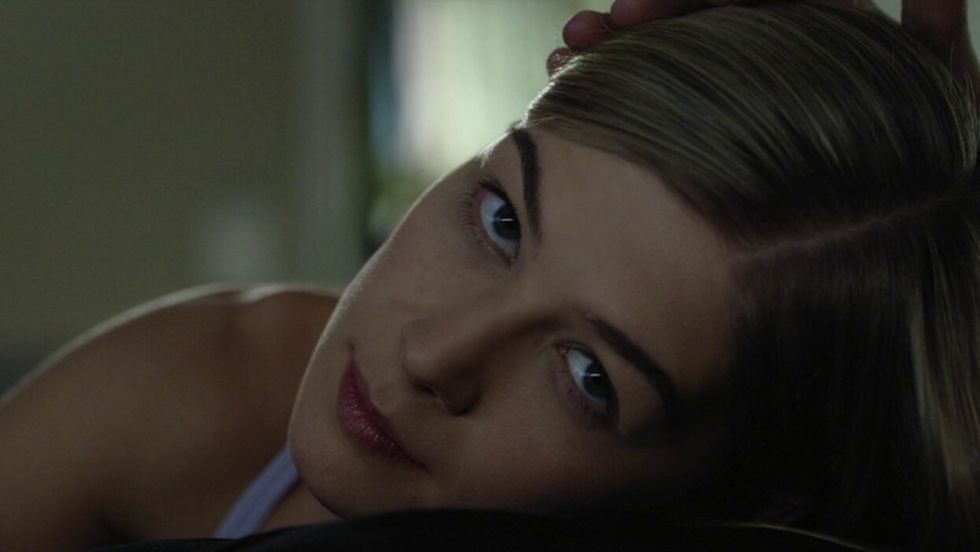
Gillian Flynn is an author and screenwriter who has made a mark for herself in the world of dark, complex thrillers, especially about complicated female characters. Her works include Gone Girl , Sharp Objects , and Widows . Flynn talked craft with David Perell on his How I Write podcast. Most of the conversation is about novels, but she also adapted Gone Girl for the screen, and much of what she s
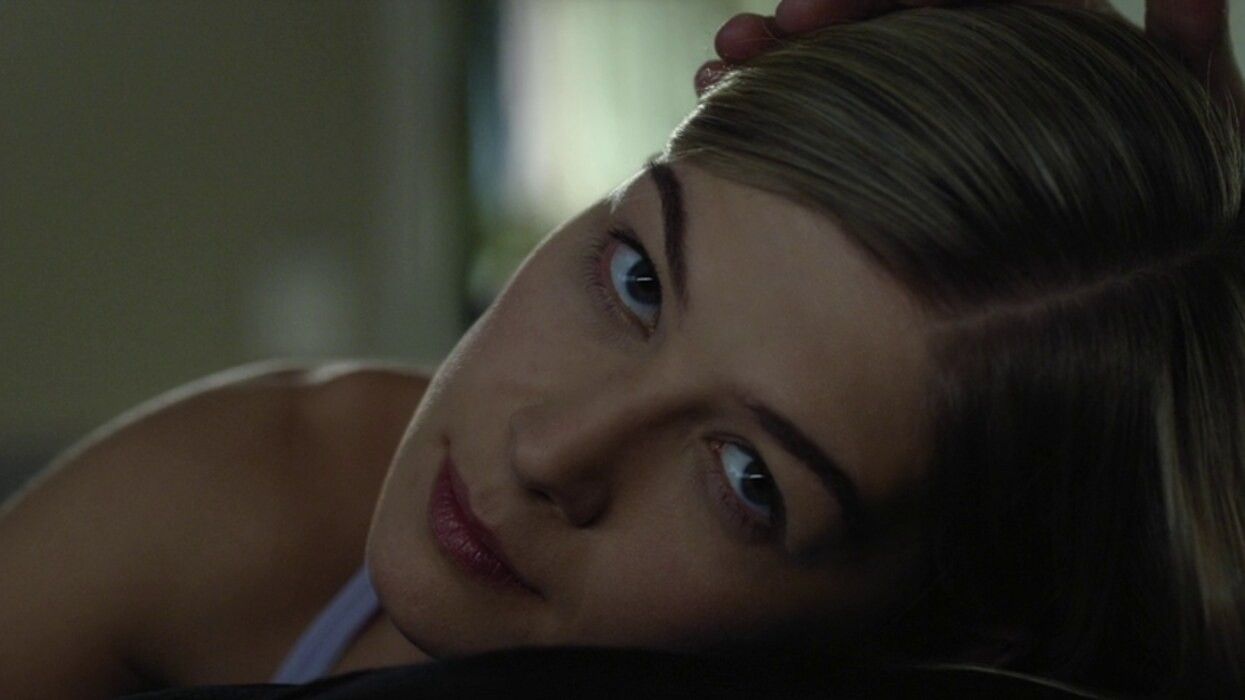
Gillian Flynn is an author and screenwriter who has made a mark for herself in the world of dark, complex thrillers, especially about complicated female characters. Her works include Gone Girl, Sharp Objects, and Widows.
Flynn talked craft with David Perell on his How I Write podcast. Most of the conversation is about novels, but she also adapted Gone Girl for the screen, and much of what she says applies to screenwriting too. Some of it comes straight from working with Fincher.
As a writer, she looks for a moment when developing a character. She was stuck behind someone with too many items in the express lane and caught herself thinking about how Amy (of Gone Girl fame) would react.
"I mean, I knew I had Amy when I was standing in the supermarket line one day, and this woman was in front of me in a 10-item line with, like, 22 items or whatever. And I was like, 'Oh, Amy would not like this,' as if she were really my friend."
Here's what screenwriters can take from Flynn about character, suspense, structure, and getting unstuck. Watch the whole conversation below.
- YouTubewww.youtube.com
Trap Your Characters with Themselves
Perell asks whether Flynn builds suspense on purpose. She says she doesn't, but she can describe the effect she's after.
“It’d make me sound cooler if I said I did it on purpose, but I’m never consciously building suspense. I feel like I’m building a story, and I’m trying to put, like, crisis upon tension upon unsettling upon weird twists and turns. So have it be this unraveling that’s actually heading you toward awfulness. And to have that sense, I like this sensation of knowing you’re being pulled toward the dark corner or the closet with a rope around your waist, and not being entirely able to control it, but it’s pulling you very slowly to mess with you like the creature in the closet is enjoying your fear.”
For her, the pull comes from character. In Gone Girl, Nick keeps making his situation worse with every move. Setting serves the same purpose. Her first 100 pages were set in Chicago, but Amy needed to be stuck somewhere she resented, so the story moved to Missouri.
Flynn connects this to the horror movies she grew up on, like Alien and The Thing.
"It's a small place," she says. "It's no matter where you go, there you are. And so trap people with themselves, and people who are going to lead themselves to be even worse versions of themselves, and then you can start having a little fun."
Pick a location and a set of flaws that close in on the character together. Quentin Tarantino has looked to The Thing in a similar way and gives the exact same advice to trap your characters.
Interesting Beats Likable
Flynn says that when she shopped Sharp Objects, publishers turned it down on the theory that women only want to read about characters they'd like to be. Screenwriters get a version of that note all the time. "Make them more likable." But that's reductive.
"I say nothing matters except: are you interested in knowing more about this character? I—I'm sure this will not surprise you—reject any notion that my character should be likable."
Thinking about things this way gives writers a better test to apply than likability. Ask whether the character has a secret or is making choices the audience wants explained. Flawed heroes are more interesting than perfect ones.
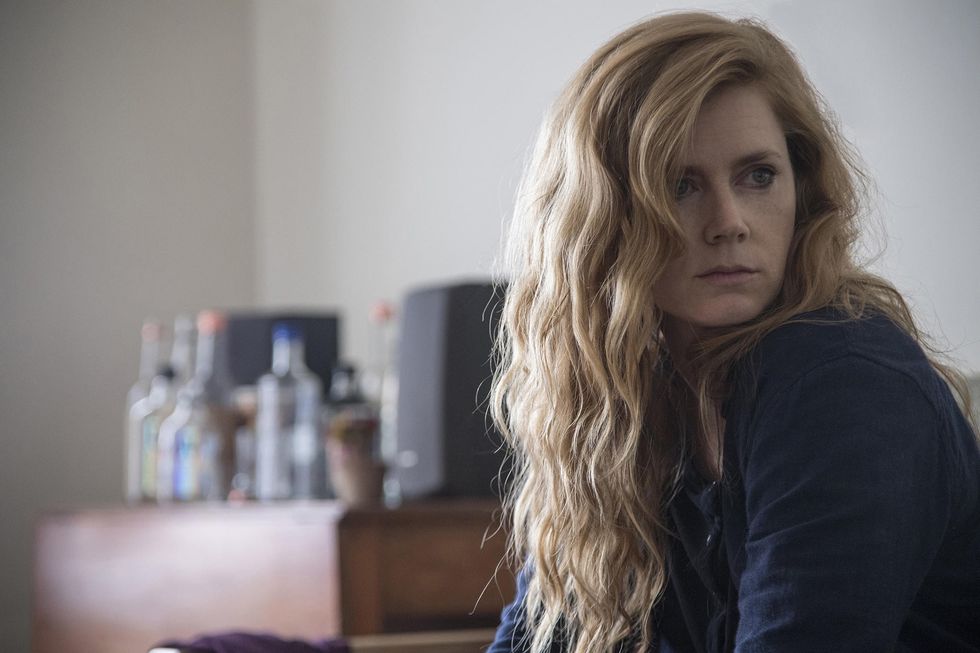 'Sharp Objects' Credit: HBO
Earn Your Slow Burn
Flynn compares the first part of Gone Girl to the clicks of a roller coaster climbing the first hill. The audience still feels that a drop is coming, but they don't know when. A slow opening still needs something to escalate in every scene.
"I'd be interested, if it were released now, if people would feel that first part was too slow. The way our society has gotten more quick-moving and, like you said, I do TV and movies too, and the note we get most often is like the audience is gonna turn it off if something doesn’t happen in the first five minutes. There’s no such thing as slow burn anymore.
And I completely disagree with that. I think that’s wrong. I, once again, I completely think we’re not giving humans enough credit. It has to be a good slow burn. If you’re doing a slow burn, you have to earn it. You have to keep people interested."
Gone Girl also benefits from some amazing structural and POV twists. I personally love when a thriller zigs when you think it's going to zag. There are few things as disappointing to me as when a story stays linear, not only in structure but also in the story it's telling—I like to be surprised and have the story going in a direction I wasn't expecting.
If You Can't Explain a Scene, Cut It
Flynn delivered her first Gone Girl screenplay draft at exactly 120 pages because she'd been warned that anything longer would make her look like a novelist who couldn't cut.
"'If you go any longer, they're going to think that you're this darling novelist who can't kill her babies.' And so, I was like, 'Okay.' And I didn't. And the first thing David [said] was, like, 'Let's put more of the book back in here.'"
The script Fox later released for awards consideration ran 163 pages. What Fincher pushed on was justification.
"If you can’t articulate why something’s happening, then it probably shouldn’t be there. I learned that from him because he was really collaborative and willing to work with me and I would get partway through articulating why I liked a scene or a moment or whatever. And sometimes, by forcing me to articulate it, it made me hone it better. It’s like, 'Oh, right. That’s what I’m trying to do.' He made me have to say it out loud and explain it. And now I’ve got a better awareness, and it’s gonna be a better scene because of it."
She adds that on hard days, she pushes herself to just write three good pages. That's a manageable goal when you're blocked.