Hollywood's Generative AI Crossroads: How Video Tools Are Remaking Studio Production
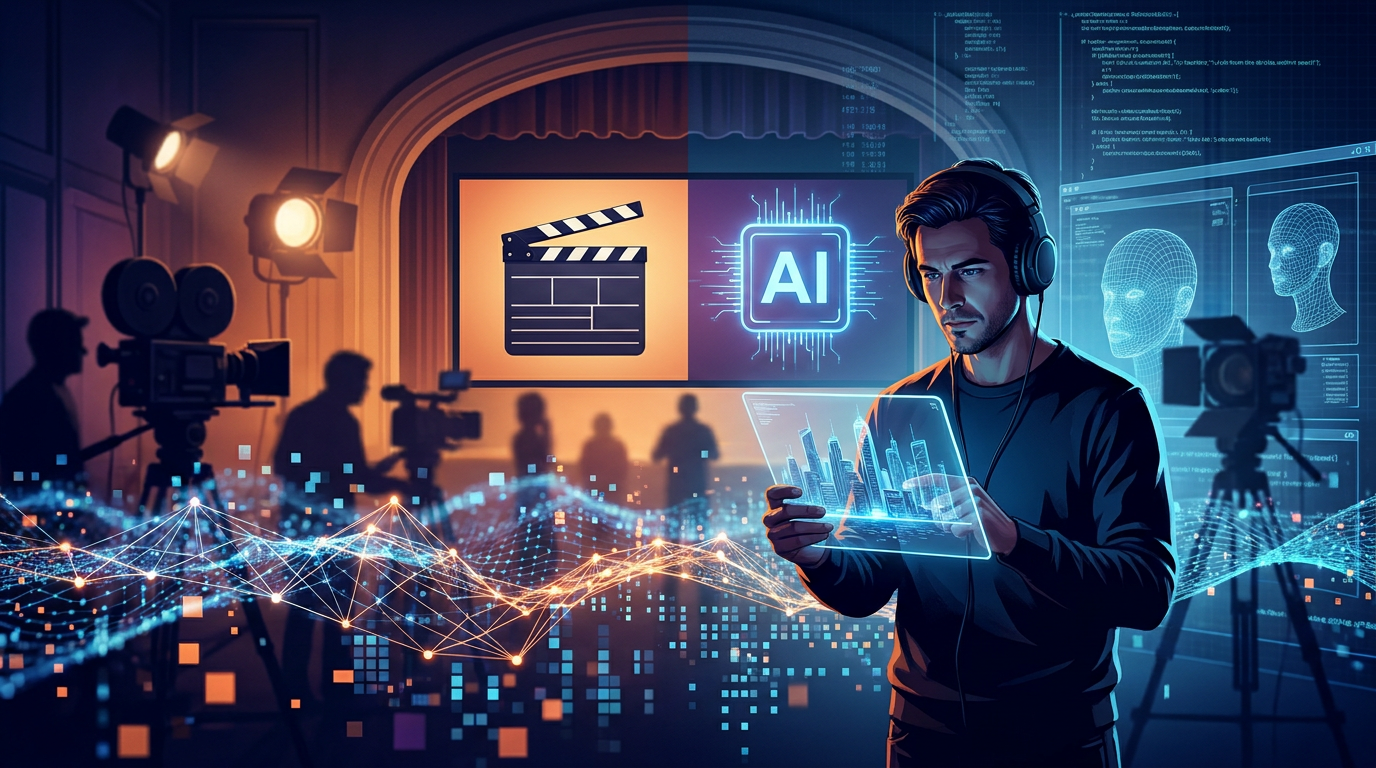
Generative video software has graduated from viral parlor trick to everyday post-production workflow across Hollywood. From indie visual effects budgets to union friction, the film industry is grappling with tools that compress timelines while challenging creative labor.
In brief: Hollywood has moved past theoretical debates over generative artificial intelligence, quietly integrating advanced video models into pre-visualization, background plates, and editing pipelines. Yet rising computing costs, intellectual property litigation, and union safeguards are creating a stark divide between early adopters and traditionalists.
The film and television industry spent the aftermath of historic labor strikes attempting to establish strict guardrails around machine-generated content, but technological iteration rarely pauses for institutional comfort. Across major studio production lots and boutique post-production houses, generative video suites have steadily migrated from speculative research labs directly into active production environments. Filmmakers are no longer debating whether synthetic footage belongs on screen; they are actively calculating how much budget and schedule time it can compress across complex visual pipelines.
From Conceptual Pre-Viz to Final Frames
The most immediate and uncontroversial impact of generative video is occurring in early-stage pre-production and pitch packaging. Directors and visual effects supervisors who previously relied on static concept art and costly proof-of-concept animation reels now generate dynamic, moving storyboards within hours. This rapid prototyping allows creative teams to test camera blocking, color palettes, and lighting conditions before stepping onto practical soundstages, significantly reducing the financial risk associated with massive physical shoots.
However, the line separating rough conceptual sketches from final screen-deliverable visual effects is blurring far faster than anticipated. Secondary environment extension, crowd replication, and digital matte painting are increasingly augmented by neural rendering networks trained on licensed studio asset libraries. For independent producers working outside the protection of studio overhead, these tools offer the tantalizing promise of blockbuster production values on shoe-string indie financing, effectively democratizing visual scope that was once reserved exclusively for nine-figure tentpoles.
Legal Liabilities and Creative Tensions
Despite technical advancements, studio business affairs divisions remain acutely aware of the legal landmines surrounding public generative models. The threat of copyright infringement suits over uncredited training datasets has forced major distributors to mandate strict provenance tracking for any digital asset used in commercial releases. Studios are increasingly opting for closed, proprietary models built entirely on their own historical catalogs rather than commercially available third-party platforms, turning deep archive ownership into a major technical moat.
Simultaneously, the industry is navigating the delicate interpersonal balance between technical efficiency and creative craft. Union oversight ensures that synthetic tools cannot legally replace designated above-the-line talent or circumvent contractual writer and performer protections. Nevertheless, below-the-line visual effects artists, background actors, and post-production coordinators face mounting pressures as delivery deadlines shrink to accommodate faster turnarounds demanded by cost-conscious streaming financiers.
The Emerging Hybrid Cinema
The future of cinematic storytelling will not belong to entirely prompt-generated features, which still struggle with nuanced emotional resonance and sustained visual coherence over long runtimes. Instead, modern filmmaking is settling into an uneasy hybrid model where human authorship is amplified—and occasionally complicated—by automated digital assistance. The directors who define this transitional era will be those who harness machine tools to execute singular personal visions without sacrificing the organic, unpredictable humanity that draws audiences into darkened theaters.