How Modern Blockbusters Learned to Survive Shorter Theatrical Windows
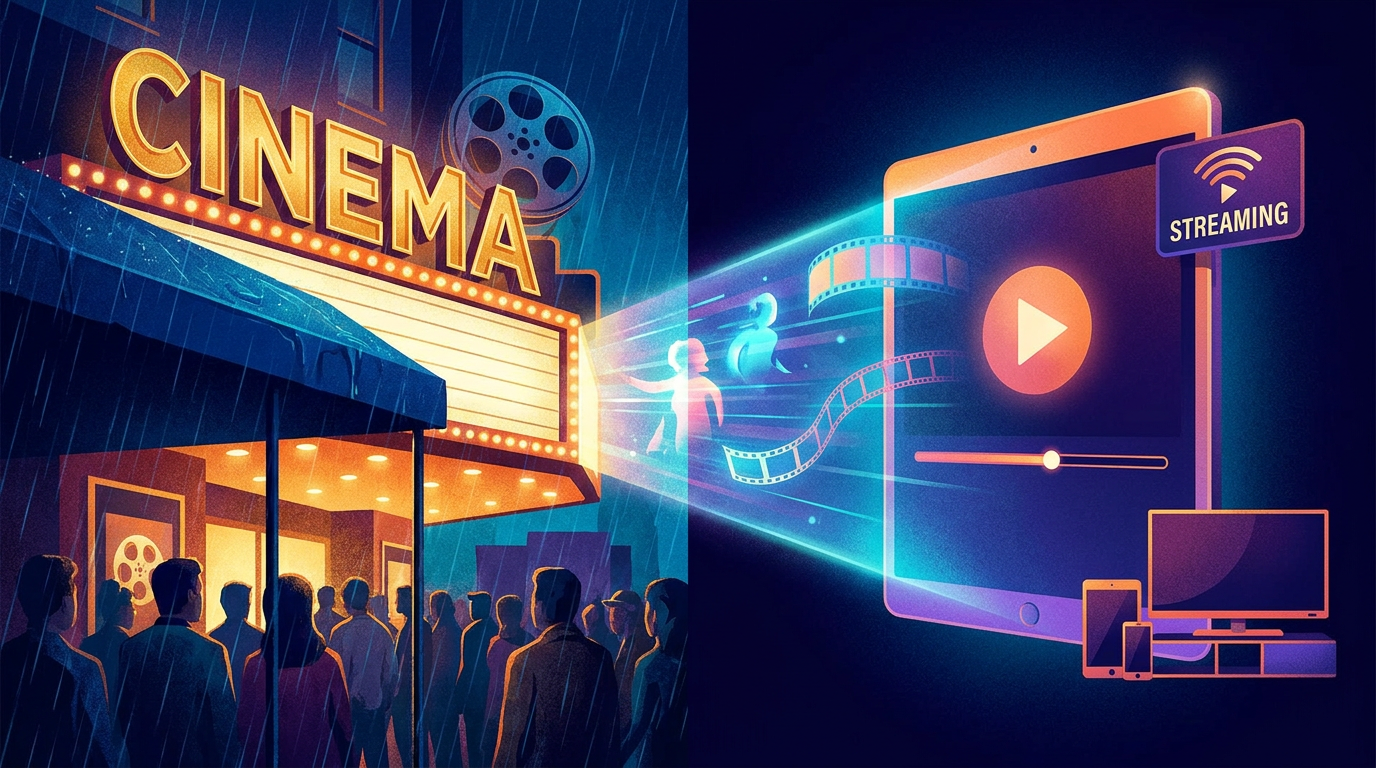
The theatrical box office is no longer sustained solely by bloated superhero sequels, as mid-budget genre films and selective franchise tentpoles find equilibrium with compressed streaming windows. Here is what theatrical performance looks like today.
In brief: Studios have accepted that the traditional multi-month theatrical window is gone, adapting their blockbuster release strategies to capture urgent opening weekend buzz before pivoting quickly to digital platforms. As production budgets finally adjust to post-peak reality, profitability now demands leaner, more agile filmmaking.
The global theatrical marketplace has spent recent seasons redefining what constitutes an authentic cinematic success. Gone are the days when studios could rubber-stamp quarter-billion-dollar production budgets with the casual expectation of crossing the billion-dollar worldwide threshold. Instead, modern box office vitality is increasingly governed by structural discipline, shorter exclusive theatrical runs, and an audience that demands undeniable novelty before purchasing an opening-weekend ticket. Theatrical distribution has shifted from a prolonged endurance race into a concentrated, high-impact cultural event designed to jumpstart an entire downstream monetization cycle.
The Impact of the Dynamic Window
The standard theatrical window, which historically guaranteed exhibitors exclusive access for up to ninety days, has permanently settled into a flexible, performance-based schedule. Tentpoles that exhibit extraordinary legs still enjoy extended big-screen exclusivity, but titles that underperform out of the gate are swiftly routed to premium video-on-demand within weeks. Rather than cannibalizing audiences, studios have discovered that this accelerated pipeline captures consumer awareness while studio marketing campaigns are still fresh in the cultural zeitgeist. The theatrical release serves as premium prestige advertising that validates a title before its lucrative digital and streaming debut.
Simultaneously, moviegoers have exhibited clear fatigue with formulaic, interconnected cinematic universes that demand extensive homework. Audiences are actively rewarding self-contained cinematic spectacles, auteur-driven concepts, and revitalized mid-budget genre efforts. Horror and high-concept thrillers routinely deliver the healthiest profit margins of the calendar year, consistently outperforming bloated action tentpoles on a return-on-investment basis. When blockbusters do capture widespread cultural attention, it is typically because they offer unique visual scale or experiential craftsmanship that cannot be replicated on high-end home entertainment systems.
The Premium Screen Mandate
Exhibition chains have adapted to these evolving consumer patterns by aggressively investing in premium large format auditoriums, immersive audio systems, and luxury dine-in amenities. Box office returns illustrate that moviegoers are remarkably price-insensitive when it comes to top-tier theatrical experiences like IMAX and Dolby Cinema, even as standard auditorium attendance remains volatile. Consumers view moviegoing less as a casual weekend habit and more as an intentional luxury outing reserved for must-see cultural moments. Theaters that fail to offer modern experiential upgrades find themselves struggling against the sheer convenience of home streaming alternatives.
As the industry charts its course forward, sustainable box office success will depend on studios maintaining strict budget discipline on developmental slates. The financial model can no longer support films that require half a billion dollars just to break even after global marketing costs. By right-sizing production expenditures and treating theatrical distribution as the exclusive launchpad for long-term multi-platform revenue, Hollywood is building a more resilient, varied release calendar capable of withstanding shifting consumer habits.