Public Domain Horror Films Every Filmmaker Should Study
Every year, movies enter the public domain, and filmmakers everywhere rejoice. That means we can go in, play with them, strip them down in our edits, use them as background, or study them and see how they work on a new level. These movies get there because of historical copyright oversights, forgotten renewal filings, or lapsed protections, but they all benefit the public! Today, I want to look at
Every year, movies enter the public domain, and filmmakers everywhere rejoice. That means we can go in, play with them, strip them down in our edits, use them as background, or study them and see how they work on a new level.
These movies get there because of historical copyright oversights, forgotten renewal filings, or lapsed protections, but they all benefit the public!
Today, I want to look at a few public-domain horror movies and some lessons you can glean from them.
Let's dive in.
1. The Micro-Budget Blueprint: Night of the Living Dead (Dir. George A. Romero, 1968)
- Why It’s Public Domain: The original theatrical prints distributed by Walter Reade Organization forgot the copyright notice. That placed the film directly into the public domain. It cost Romero millions. But it gave us a masterpiece.
- What to Study:
- Single-Location Efficiency: Can you sustain tension and narrative momentum inside a single place? Here we see a farm and house where all the action takes place. Get the most out of your cast and make your wide shots count.
- Social Subtext & Allegory: Use genre to reflect real-world cultural anxieties of the time. What are your friends and neighbors afraid of? Find those timeless themes in your storytelling and bring them to the foreground.
- Practical Gore & Lighting: High-contrast black-and-white cinematography (shot on 35mm monochrome stock).
- How to Remix / Adapt It:
- The Modern Isolation Twist: Adapt the claustrophobic siege dynamic into a single modern setting (e.g., an automated smart home, a remote server farm, or a stranded EV charging station). Can you say anything new about the zombie genre? What would we learn about today's themes?
2. Atmospheric & Low-Light Mastery: Carnival of Souls (Dir. Herk Harvey, 1962)
- Why It’s Public Domain: The original release failed to attach a proper copyright notice, instantly forfeiting federal copyright protection.
- What to Study:
- Location-Driven Storytelling: How Harvey leveraged The Saltair Amusement Park in Utah as a narrative anchor. What can you use by you? What's free to access? What weird places can you show the world from your space?
- Sound Design & Organ Score: Sounds are relatively free. You can heighten any scene with them. This movie uses haunting solo organ music to distort reality and project psychological instability.
- Uncanny Visuals on a Shoestring: It's not what you have to spend; it's how you spend it. Here, they utilize simple practical tricks, mirror reflections, and slow-motion frame rates to create dread without expensive visual effects.
- How to Remix / Adapt It:
- Psychological Thriller Reimagining: Focus on a protagonist's subjective perspective as they experience dissociation after a traumatic event, blurring the line between guilt and supernatural haunting.
- Audio Sampling: What noises or instruments can you use to heighten a horror scene? Can you make it all feel eerie, and can you keep the audience from feeling comfortable?
3. High-Concept Budget Horrors: Dementia 13 (Dir. Francis Ford Coppola, 1963)
- Why It’s Public Domain: Roger Corman’s American International Pictures produced the Coppola movie, and the copyright was never renewed after its initial 28-year term.
- What to Study (Craft Analysis):
- The Roger Corman Playbook: How Coppola wrote and shot a feature script in nine days using left-over budget and standing sets from Corman’s The Terror. See an auteur cutting his teeth on a real set.
- Set-Piece Pacing: Construct visceral kill sequences and psychological set pieces within tight locations.
- Gothic Family Melodrama: Blending murder-mystery slasher elements with estate-bound gothic horror that pops up in Coppola's Dracula later, and the family stuff is in The Godfather.
- How to Remix / Adapt It:
- Gothic-Noir Update: Coppola used a lot of these aesthetics to the max in Dracula, and you can see his mind at work here on how to maximize ideas. Even Apocalypse Now has shades of these visuals.
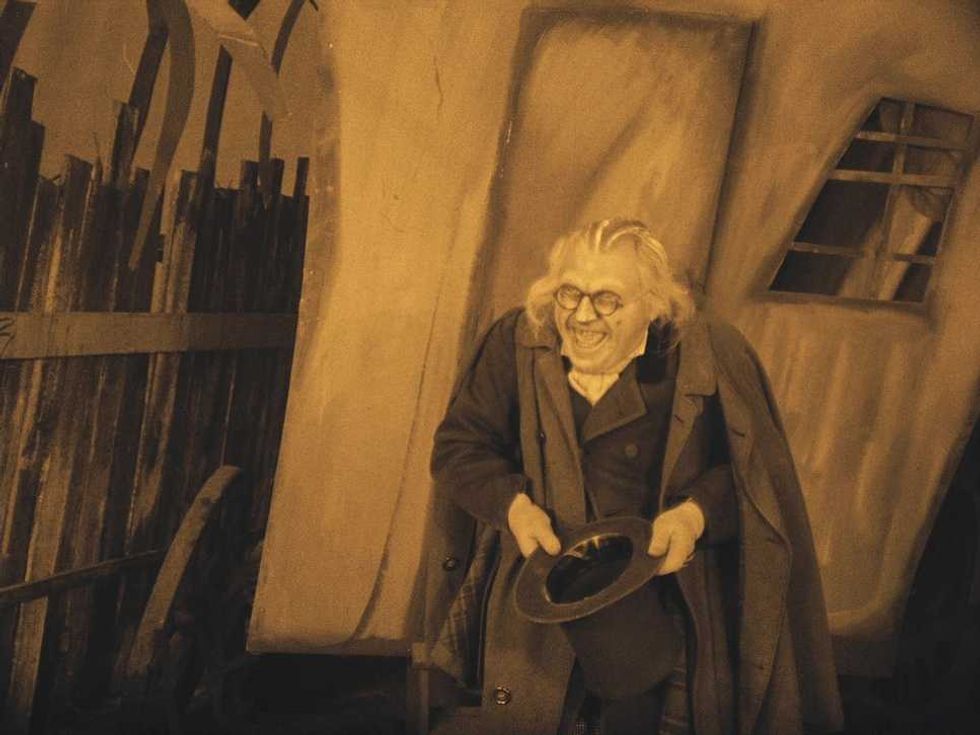
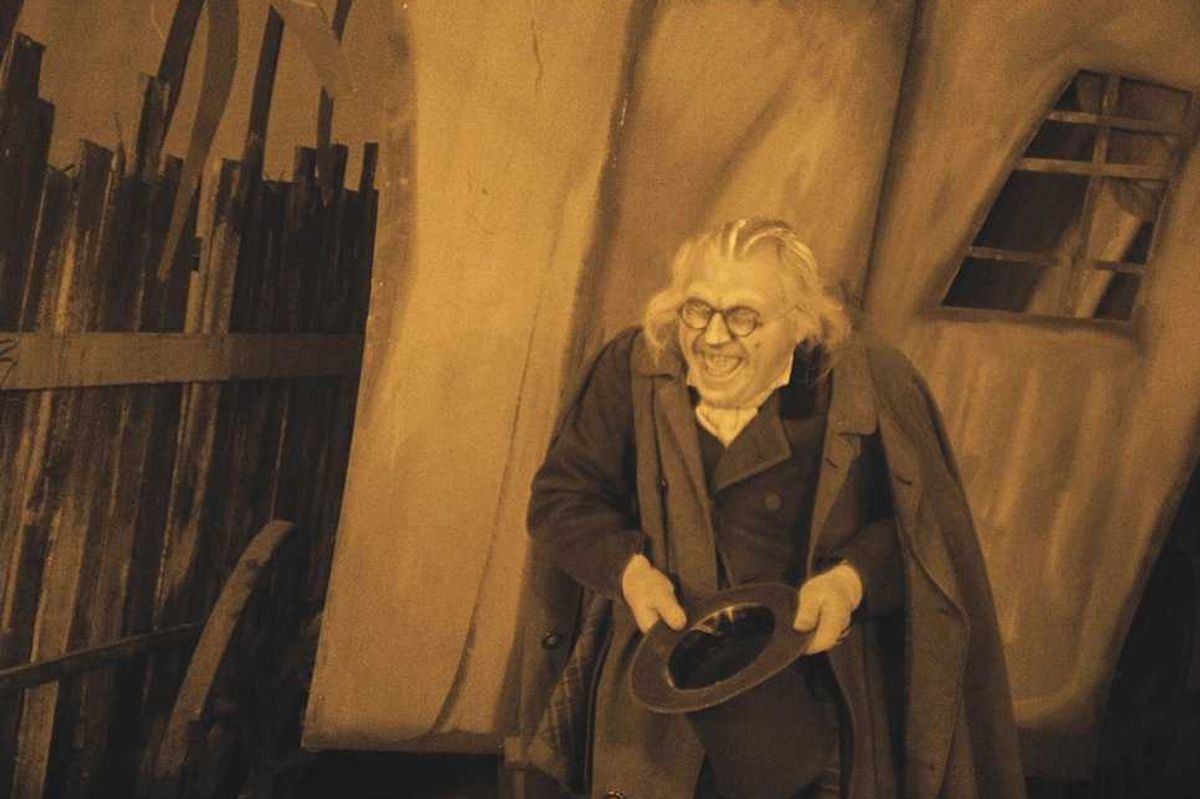
4. Silent Era Expressionism: Nosferatu (Dir. F.W. Murnau, 1922) & The Cabinet of Dr. Caligari (Dir. Robert Wiene, 1920)
- Why They’re Public Domain: All works published or registered before 1929 are in the public domain worldwide.
- What to Study (Craft Analysis):
- Visual Metaphor & Production Design: These movies are famous for incredible set design and canted camera angles that freak out the audience. Using painted shadows, distorted sets, and extreme geometry to visually express mental decay.
- Physical Performance & Blocking: Analyze visual storytelling where body language and silhouette replace spoken dialogue. You don't need words to tell a story; haunting images can do it all.
- How to Remix / Adapt It:
- Modern Tech / Found Footage Adaptation: Recontextualize the hypnotic control of Caligari around modern algorithms, deepfakes, or live-stream viral cults. What else can you do to freak people out and show them the psychological disconnect of someone going insane?
- Visual Homage: Study Murnau’s shadow-play for lighting layouts in modern indie vampire or creature feature scripts. They can make you feel uneasy, and you get the whole story through movement and haunting cuts between characters.
Summing It All Up
Watch these movies, skim them, use them as background for your shorts, or cut them together into something else. The point is, look at how they are made, dissect them like bodies, and find your own voice in the footage.
You're a filmmaker; take the lessons you need, then go out and make something that lives forever, too.