Spotify's Royalty Quandary: Will New Payout Models Truly Benefit Artists?
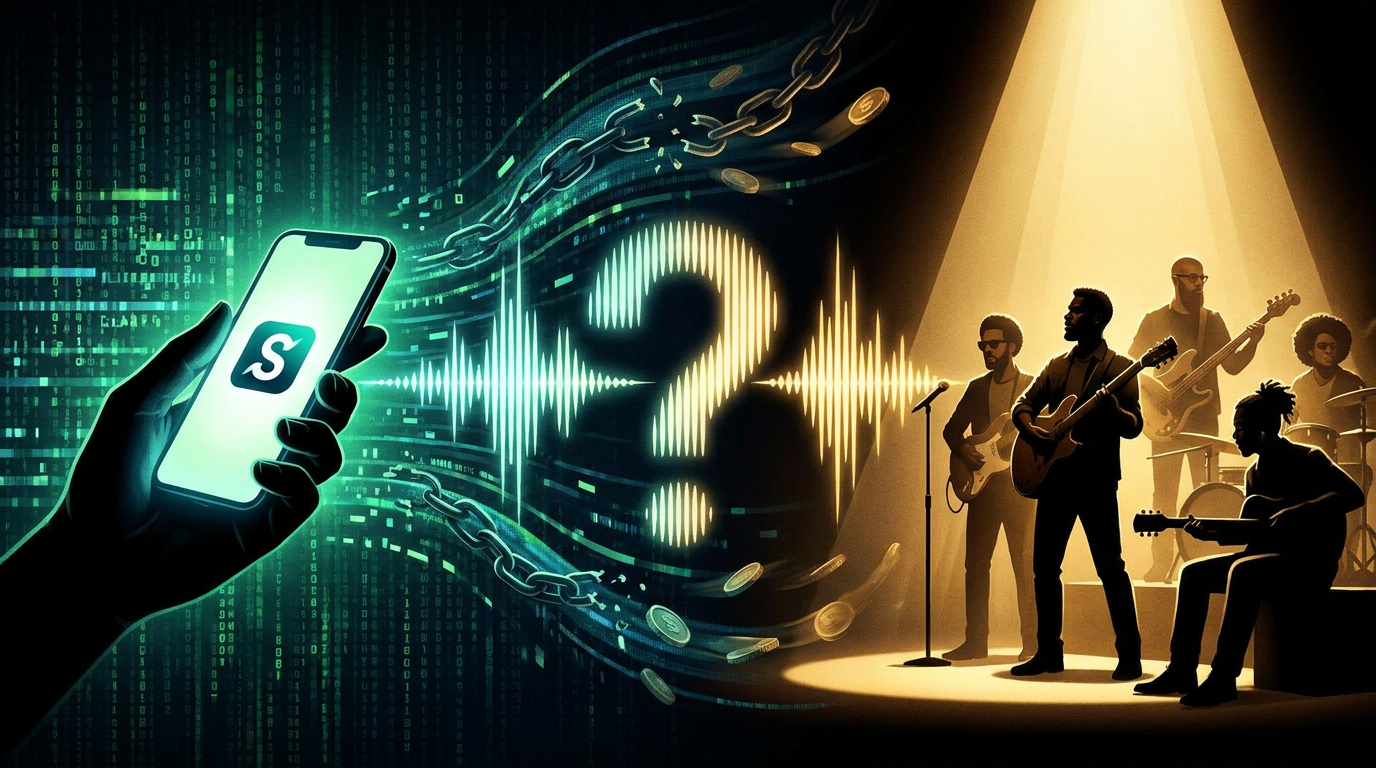
The ongoing debate surrounding music streaming payouts continues to intensify, with Spotify's recent adjustments to its royalty structure sparking both hope and skepticism across the music industry. While platforms aim to optimize their business models, artists and their advocates are scrutinizing w
In brief: Spotify's updated royalty policies, including thresholds for minimum plays and new charges for distributors, are sparking significant debate within the music industry. While framed as efforts to combat fraud and better reward professional artists, many fear these changes could further marginalize smaller creators and independent labels. This move represents a critical juncture for how streaming platforms balance profitability with artist compensation, raising questions about long-term sustainability and equity in the digital music landscape as stakeholders grapple with its implications for diverse music communities.
The digital age promised democratized access for artists, allowing anyone with a microphone and an internet connection to share their music globally. Yet, the reality of music streaming, particularly on dominant platforms like Spotify, has often felt like a gilded cage for many creators. The perennial discussion around artist royalties, specifically how the vast sums generated by millions of streams are distributed, has once again reached a fever pitch with Spotify's latest adjustments to its payout model, set to fully roll out in 2025. These changes, which include minimum play thresholds for tracks to qualify for royalties and new charges for distributors, aim to redirect funds away from what the platform deems 'non-music' content and smaller, potentially fraudulent uploads, towards what it calls 'professional' artists.
On the surface, Spotify's rationale appears sound: clean up the catalog, reduce fraud, and ensure that more money flows to artists genuinely creating and attracting listenership. The platform asserts that by focusing on quality and engagement, the overall ecosystem improves, theoretically benefiting all legitimate stakeholders. However, the devil, as always, is in the details. Many independent artists, emerging bands, and smaller labels express profound concern that these thresholds will effectively defund their nascent careers, making it even harder to break through or even maintain a minimal income stream. The fear is that these changes disproportionately punish artists who are still building an audience, forcing them into a financial precarity that could stifle creative output.
The Broader Industry Impact
This isn't just about Spotify; it's emblematic of a larger, systemic challenge within the streaming economy. While major labels and superstar artists often see significant returns, the vast majority of musicians struggle to make ends meet from streaming revenue alone. The sheer volume of content uploaded daily means that even a substantial number of streams can translate into meager pennies for an individual track. The new policies, intended to streamline payouts, could inadvertently create a two-tiered system, further solidifying the dominance of established acts while making the climb for new talent steeper than ever.
Distributors, who act as the crucial bridge between artists and streaming platforms, are also watching closely. The proposed charges for distributors for tracks that don't meet the new minimum play thresholds could lead to increased costs for artists, or even a reluctance from distributors to onboard artists who are perceived as unlikely to meet these criteria. This could further centralize power within a few large distributors, potentially limiting the options for independent creators and slowing down the flow of diverse new music to listeners. The ripple effect throughout the entire supply chain of music distribution is a serious consideration.
Furthermore, the definition of a 'professional' artist or 'non-music' content is inherently subjective and open to interpretation. Some niche genres, experimental music, or spoken-word content that genuinely finds an audience might inadvertently fall foul of automated filtering or minimum play counts, leading to their effective demonetization. This raises critical questions about platform inclusivity and the potential for algorithmic bias to shape what music is deemed valuable enough to be compensated, moving beyond the simple metric of listener engagement.
What's Next for Artists and Streaming?
The conversation around artist royalties isn't new, but Spotify's latest move has injected fresh urgency into it. Alternative models, such as user-centric payments where a subscriber's money directly funds the artists they listen to, continue to be discussed as potentially fairer alternatives, though they present their own logistical challenges. Artists and advocacy groups are pushing for greater transparency, more equitable revenue splits, and a voice in policy decisions that directly impact their livelihoods. As the streaming giants continue to evolve their business strategies, the pressure will remain on them to demonstrate a genuine commitment to supporting the diverse ecosystem of creators who form the very backbone of their platforms.
Looking ahead, the industry will undoubtedly continue to grapple with these complexities. The success of these new policies will not just be measured in Spotify’s bottom line, but in the health and diversity of the artist community it serves. If smaller artists feel increasingly squeezed out, it could lead to creative burnout, a search for alternative monetization strategies outside of major platforms, or even a fragmented streaming landscape. The balance between profitability and supporting a thriving creative class remains the ultimate tightrope walk for streaming services, and the outcome of this current royalty debate will significantly shape the future of music production and consumption for years to come.