The "Boring" Editing Exercise That Teaches You to Cut for Emotion
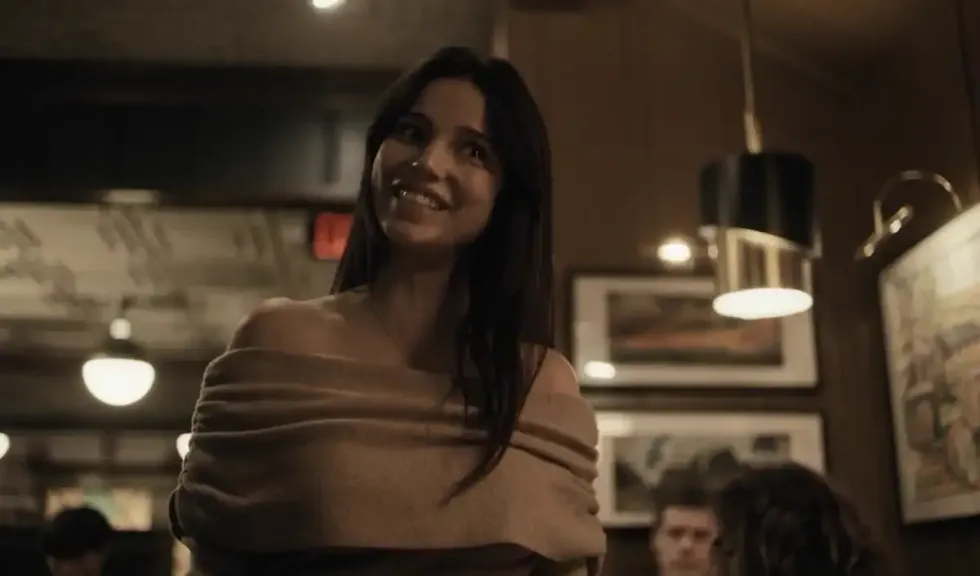
Obsession has been the horror story of the year, and Curry Barker edited it himself. In the film , a lovesick music-store clerk named Bear (Michael Johnston) gets his hands on a magical novelty wish-maker and uses it on Nikki (Inde Navarrette), the friend he's pined after for years. The wish works, eh, a little too well. Barker made the film for less than a million dollars, and Focus Features paid
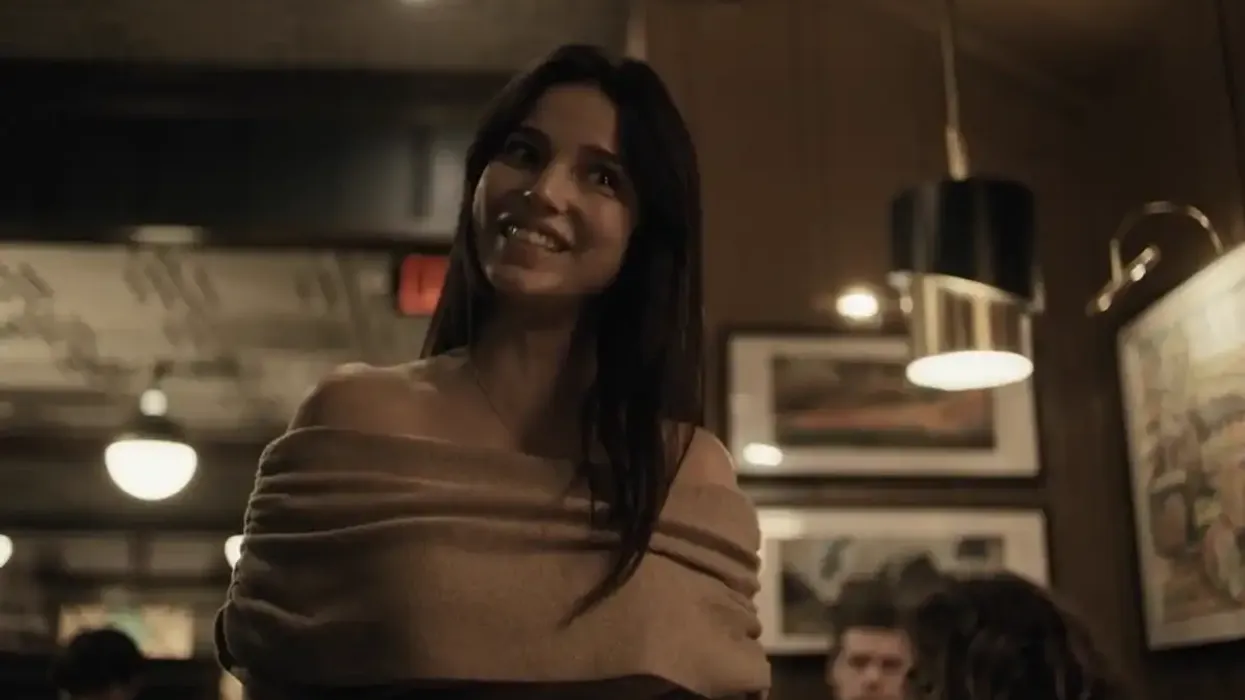
Obsession has been the horror story of the year, and Curry Barker edited it himself.
In the film, a lovesick music-store clerk named Bear (Michael Johnston) gets his hands on a magical novelty wish-maker and uses it on Nikki (Inde Navarrette), the friend he's pined after for years. The wish works, eh, a little too well.
Barker made the film for less than a million dollars, and Focus Features paid roughly 20 times that after it screened at TIFF. It went on to be a sleeper hit that put its creative team and cast on the map.
We can pull a lot of lessons from the film. I talked to Barker about the writing earlier this year. The cinematography and lighting are lean but instructive. Today we want to look at the editing.
Austen Menges, a Texas-based editor who specializes in TV commercials and says he's spent two decades in that world, uses one Obsession scene to walk through a study exercise in a new video. Check it out below to learn the four techniques Barker uses to build dread.
- YouTube www.youtube.com
Emotion Matters Most
Menges uses a barbecue analogy - why not? Say two people want to become pitmasters. One buys the most expensive smoker they can find, plus every gadget to go with it. The other finds a mentor who teaches them that patience and timing matter more. It's skills versus doo-dads.
Guess whose meat people line up for?
"That's where most editors get stuck. They focus on software, plugins, and effects. But what makes people care about your edit is emotion, and almost nobody practices it."
None of this is new, and that's the point. Walter Murch built his Rule of Six around this idea in In the Blink of an Eye. As we've talked about before with Spielberg and editing, Murch gave emotion more weight than the other five criteria combined, at 51%.
Barker seems to work the same way. His casting director told The Hollywood Reporter their conversations centered on the reaction Barker wanted performances to draw out of him, more than on how famous an actor was.
"Curry provided a freedom to discover that was really refreshing," Skyler Zurn said. "So we really could search for the feeling. We were waiting to be moved by each person, and that's what led our casting decisions."
1. Name the Feeling
So how do you get to emotion first? You have to know what you're aiming for.
"Next time you're watching a movie or a show and a scene comes on that really makes you feel something strong, I want you to write down the movie, the scene, and most importantly, the emotion it made you feel and get specific. Not just happy or sad."
Menges gave similar advice when he talked about a scene in Sinners.
His pick is the Obsession restaurant scene, where Bear abruptly asks Nikki, "Does your dad really have cancer?" The exchange spirals until she's coming apart in front of the whole dining room. For Menges, the scene produced a creeping, nervous dread.
2. Take the Scene Apart in Your Timeline
He drops the scene into his editing software with each cut marked. Then he hunts for one technique in each of four categories, which we also looked at for Sinners: story, rhythm, sound and music, and action.
"A lot of editors think you can just watch great films a few times and become a great editor, but unfortunately, it takes a lot more than that. You have to get inside of the editing, and we do that by bringing it into our timeline."
Menges maps the scene onto a three-act structure. Remember, you can apply that structure to almost anything in storytelling, down to a line of dialogue.
In this scene, the first loaded question starts things moving, the cancer question works as the midpoint, and Nikki's breakdown and recovery close it out. His point is that even a single scene benefits from shape and from placing each turn deliberately.
- YouTube www.youtube.com
Hold, Then Hit
Menges says his comedy commercials have trained him to look for more to cut. Barker goes the other direction with his edits. His longer takes let the audience read what the characters aren't saying out loud.
"So the rhythm technique is this: to make your emotion stronger, use rhythmic contrast at the climax," Menges says. "So hold longer at the story beats pre-climax and then speed things up in your climax."
As far as sound, the scene stays quiet, which might also go against many editors' first instinct. You start a scene, you start a song, right? Not always.
Barker keeps the scene almost silent, with only the murmur of nearby diners, until Bear's first loaded question. That's when an eerie score creeps in. Menges' lesson is to time a music cue to the emotional turn of the scene rather than its first frame.
He calls the alternative "wallpaper music."
Don't Cut the Small Stuff
The commonly memed or reenacted bit from this scene is Nikki exploding at Bear's question, crying out, "No, no, no." She stands and starts screaming. You get all the buildup, her micro-expressions, and the tension.
Instead of cutting right to Nikki's explosion, Barker lets the camera sit on her while she struggles toward it.
"It takes her a long time to say it," Menges says. "If I were cutting this as a comedy, I'd probably cut right in on the word no. But that's not what happens. And it really adds suspense and adds to that unnerving feeling."
It might feel uncomfortable and against the norm, but that's the point. Editing classes usually teach cutting on action with big physical moments, like a door swinging or a fist connecting. Barker applies the same thing to the tiniest flicker of expression.
"You don't have to cut on the big actions. You can cut on the action of something small, like a mouth starting to open."
Which of these techniques are you ready to try in your edit?