The Film Culture We Want Is Ours to Build
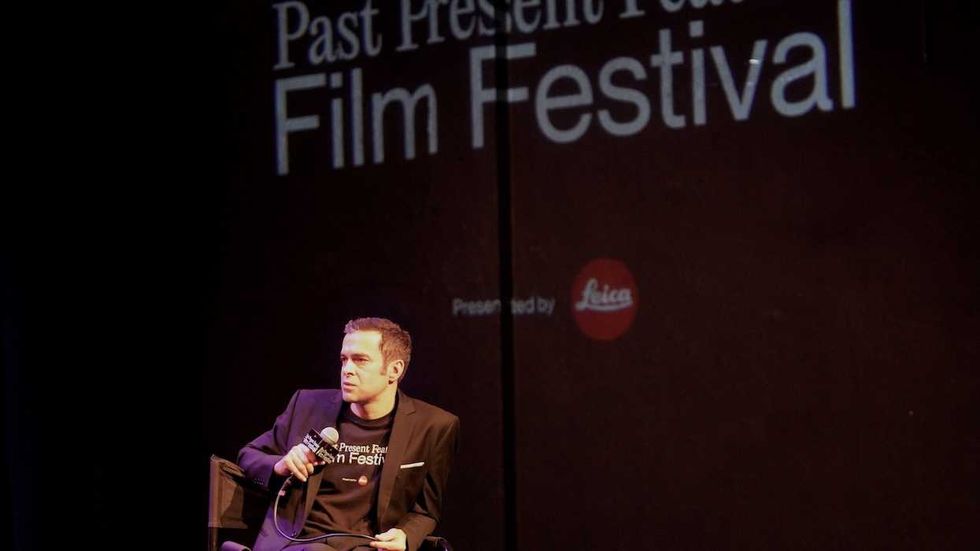
A few weeks before the world shut down in 2020, I was at the Berlin International Film Festival with a friend whose film was premiering there. On Sunday afternoon, during what I remember as church hours, we ended up at a gathering in Kreuzberg filled with filmmakers drinking coffee, eating soup, smoking out the windows, and talking about movies. Nobody seemed to be pitching anything or trying to g
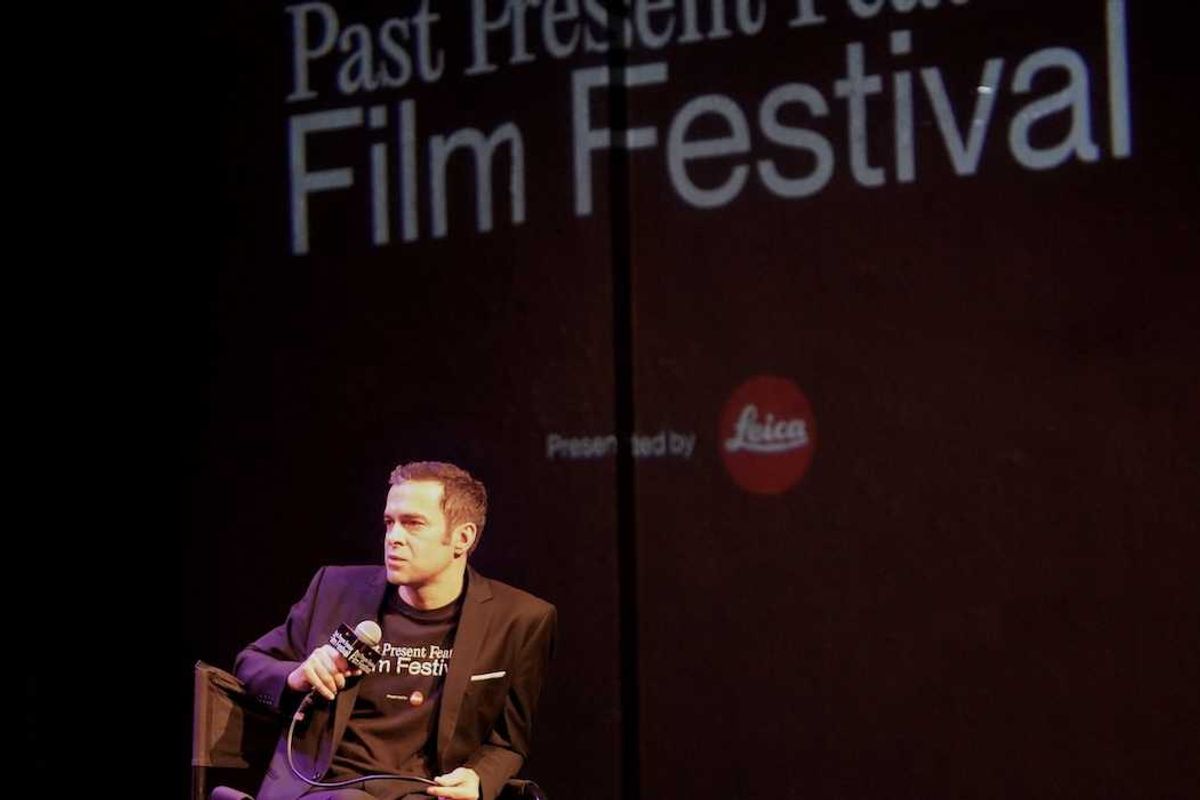
A few weeks before the world shut down in 2020, I was at the Berlin International Film Festival with a friend whose film was premiering there. On Sunday afternoon, during what I remember as church hours, we ended up at a gathering in Kreuzberg filled with filmmakers drinking coffee, eating soup, smoking out the windows, and talking about movies.
Nobody seemed to be pitching anything or trying to get something out of the room. They just wanted to be around other people who cared about cinema as much as they did.
I remember thinking I wanted more of that in my own life.
Los Angeles is filled with filmmakers, screenings, festivals, and film history, but filmmaking itself can still be isolating. You write, edit, raise money, and carry a project for years. You can live in the center of the industry and still feel like you’re doing most of it alone.
It took me a few years to understand how I might recreate some version of that room, but that feeling eventually became Past Present Feature.
Building the Film Conversation I Wanted to Hear
Past Present Feature began as a film and filmmaker appreciation podcast with a simple premise: speak with filmmakers doing exciting work in the present, often while their films are first appearing at Sundance, Cannes, Venice, Berlin, TIFF, NYFF, Locarno, and other major festivals, while also tracing the films and experiences that shaped them.
Which films rearranged their brains? What did they make before anyone knew who they were? What did they learn from the project that failed, the budget that disappeared, or the limitation that forced a better decision?
What matters most to me is the archive itself. Taken together, the episodes have become the kind of free, on-the-ground film school I wish I had when I was starting out, with working film people talking honestly about how projects were financed, made, programmed, released, and sometimes rescued when the original plan fell apart.
That has always been one of the useful things about No Film School too. Someone learns something the hard way, then shares enough that the next filmmaker doesn’t have to start completely from zero. The podcast started to feel like my own small contribution to that exchange.
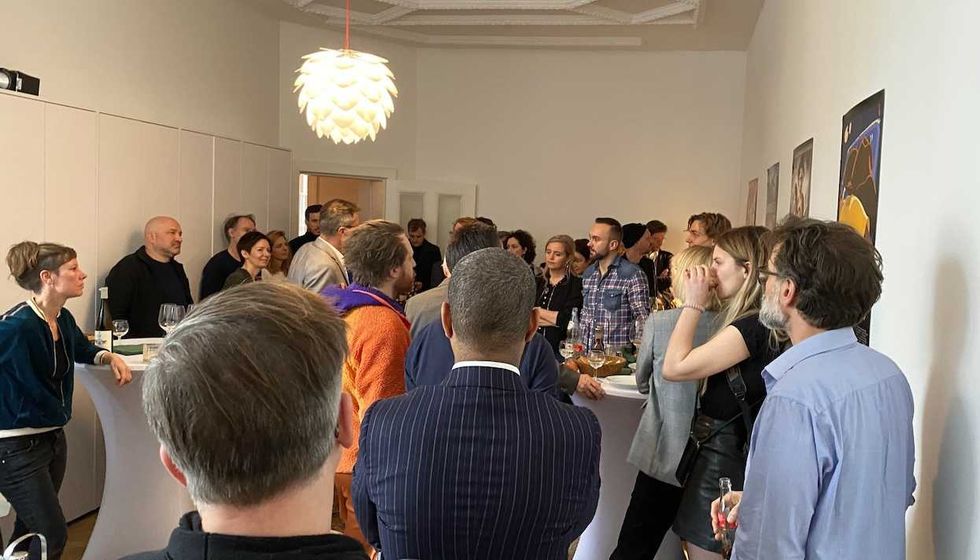 Berlinale 2020 filmmaker brunch, which inspired Past Present FeatureCredit: Marcus Mizelle
This path has also led me into conversations with some of my favorite filmmakers and producers. I recently sat down in Paris with Christophe Rossignon, the producer of La Haine, one of my three favorite films. Hearing him share behind-the-scenes stories about a film that means so much to me was a real thrill.
I interviewed Christophe for an exclusive piece that will play ahead of La Haine at this year’s Past Present Feature Film Festival. Getting to have that conversation was exciting enough. Being able to share it with an audience makes it even more meaningful.
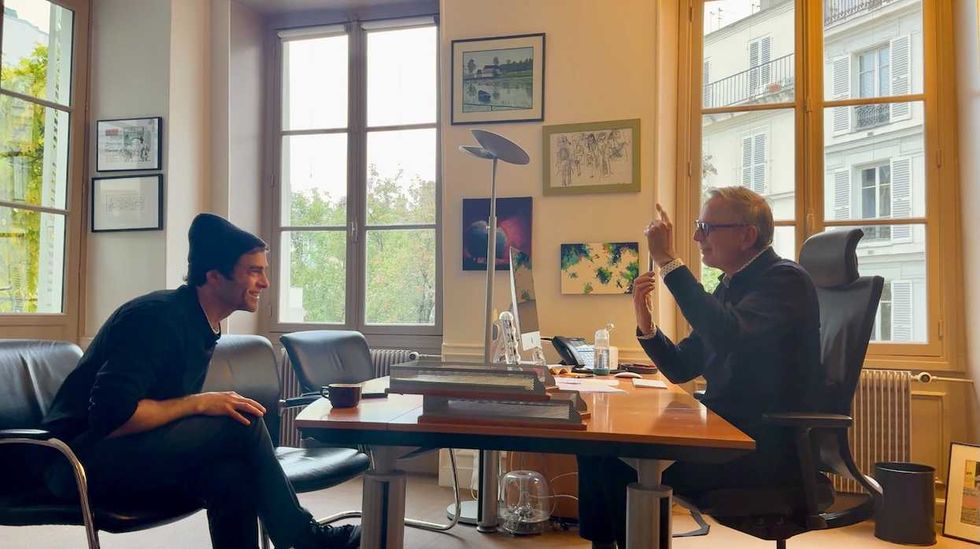 Marcus Mizelle interviews LA HAINE producer Christophe Rossignon in ParisImages supplied by Marcus Mizelle
From Podcast to Film Festival
When I spoke with Thom Powers, Lead Programmer of TIFF Docs, I asked what people could do when worthwhile films weren’t reaching the audiences they deserved. His answer was practical: champion a film publicly, find a community space, or invite five people into your living room to watch something together.
“You don’t have to wait for someone else to do it for you.” - Thom Powers, Lead Programmer, TIFF Docs|PPF Episode 58
The scale wasn’t really the point. What mattered was deciding the film deserved an audience and then doing something to help create one.
That conversation clarified what I had already been feeling. The podcast had created the conversations I wanted to hear, but I also wanted a physical version of it, where we could watch the film first and then continue the conversation with the filmmaker and audience in the same room.
Last year, we launched the Past Present Feature Film Festival in a 99-seat Hollywood theater. Leica Camera sponsored the inaugural edition. We opened with Sean Baker and Shih-Ching Tsou’s Take Out, Sean sent a video supporting the festival, and Ellie Foumbi, Justin Long, Elliot Lester, and other filmmakers participated. Academy Award-nominated work shared the program with shorts, proofs-of-concept, and emerging filmmakers.
The first year involved months of clearances, schedule changes, favors, and more personal spending than was probably advisable. Once the lights went down, the reason for doing it was obvious: the festival was the podcast in a room.
This year we’re bringing it back as a focused one-day event on November 21: three features, three shorts or proofs-of-concept, and filmmaker conversations throughout the day. The goal is to make each film feel chosen and connected to the larger idea.
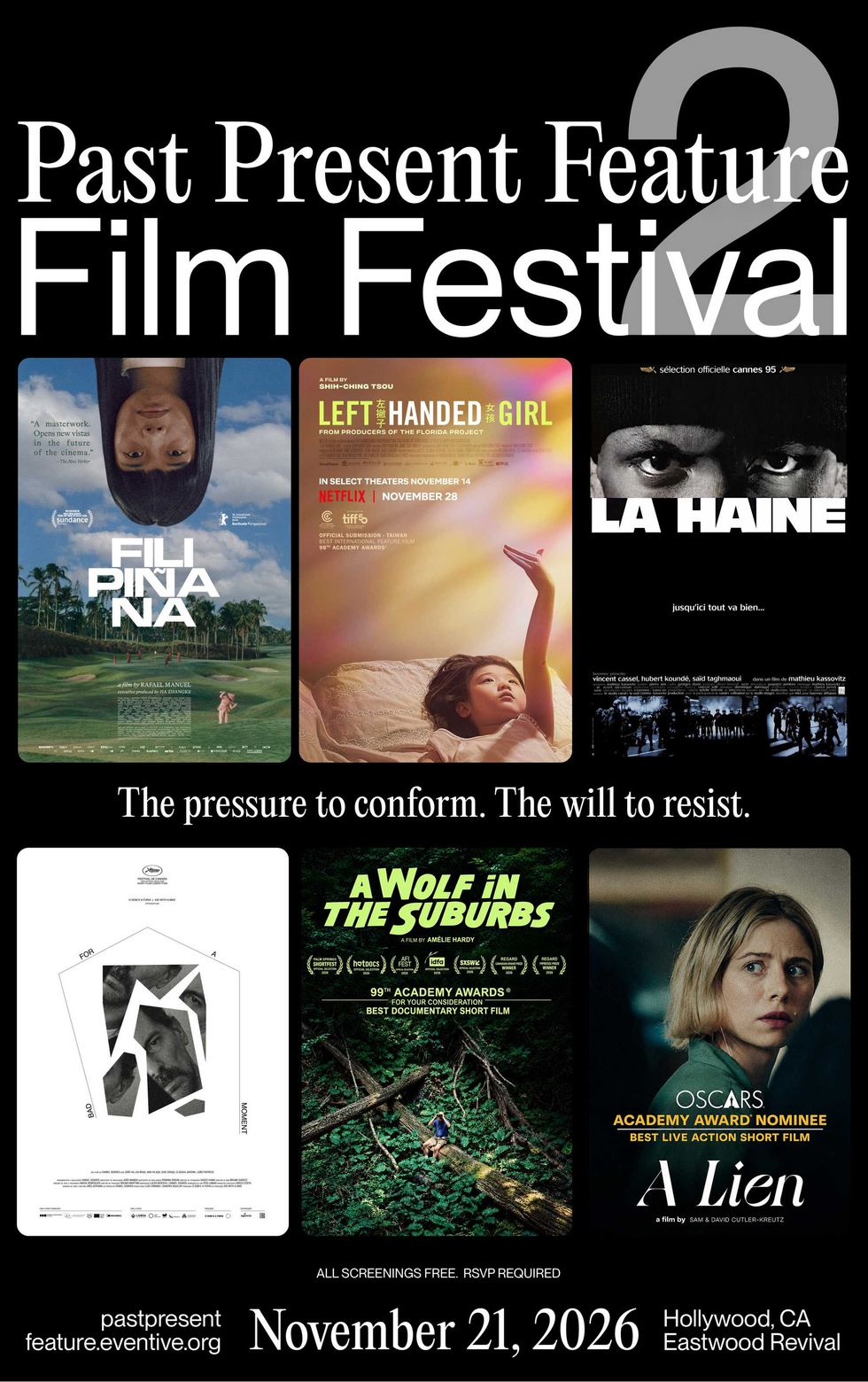 The 2026 festival lineupCredit: Past Present Feature Film Festival
The Past Present Feature Film Festival
Our second annual film festival returns Saturday, November 21, 2026, to Eastwood Revival (Eastwood Performing Arts Center), 1089 N. Oxford Ave., Hollywood. This year’s theme: “The pressure to conform. The will to resist.” All screenings are free with RSVP.
OPENING / THE FUTURE | 12:30 PM
FILIPIÑANA (Rafael Manuel), a Philippine country-club satire, won Sundance 2026’s Special Jury Award for Creative Vision and screened in Berlinale Perspectives.
BAD FOR A MOMENT (Daniel Soares) received a Short Film Special Distinction at Cannes in 2024; it tackles gentrification.
A full house unlocks a free short-to-feature development consultation with Marcus' Emmy-winning production company Forte Pictures.
CENTERPIECE / THE PRESENT | 4:00 PM
LEFT-HANDED GIRL (Shih-Ching Tsou), an iPhone-shot Taipei family drama, premiered at Cannes Critics’ Week and was Taiwan’s 2026 Oscar entry. Tsou joins us in person for a Q&A.
A WOLF IN THE SUBURBS (Amélie Hardy), a mixed-format documentary about suburban conformity, won REGARD’s 2026 Canadian Grand Prize and FIPRESCI Prize.
A full house unlocks a Beastgrip iPhone accessories package featuring tools used on Left-Handed Girl.
CLOSING / THE PAST | 8:00 PM
LA HAINE (1995) earned Mathieu Kassovitz the Cannes Best Director prize; our screening features exclusive filmed material with producer Christophe Rossignon and cinematographer Pierre Aïm.
A LIEN (Sam and David Cutler-Kreutz) earned a 2025 Oscar nomination for Best Live Action Short and follows a couple at a green-card interview.
A full house unlocks a vintage La Haine poster.
Each block has 99 seats. Giveaways happen only if the corresponding block is fully reserved.
Reserve your free seats: https://pastpresentfeature.eventive.org/schedule_+_tickets
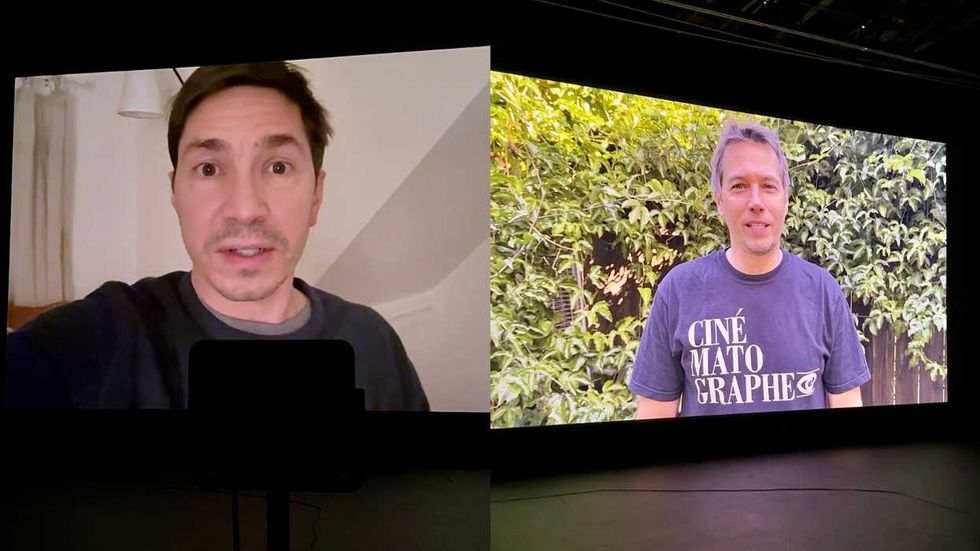 Recorded greetings from actor Justin Long and four-time Academy Award winner Sean BakerCredit: Past Present Feature Film Festival.
Passing Movies From Person to Person
When I spoke with Tribeca Festival Director Cara Cusumano, we discussed how many foundational movie experiences began with another person putting something in front of us: a parent, teacher, friend, programmer, or video store clerk.
“It is a sort of ‘pass it on’ kind of mentality.” - Cara Cusumano, Festival Director, Tribeca Festival|PPF Episode 77
That might be one of the simplest ways to explain what film culture actually is.
I first saw John Cassavetes’ A Woman Under the Influence because someone held movie nights in Wilmington, North Carolina, and screened it. I probably wouldn’t have chosen it myself then, but it changed the way I thought about performance and what a movie could feel like. Somebody passed it on.
Algorithms give us more of what we already clicked. Curation can put something in front of us that we didn’t know to ask for. Video stores did that, and repertory theaters, festivals, programmers, podcasts, and publications can still do it. Someone pays enough attention to say: this is worth your time.
“Tell people about the films you love that they might not have seen. It’s good for the soul.” - Ania Trzebiatowska, Sundance Programmer & Sands Festival Director|PPF Episode 65
Why the Room Still Matters
We’ve got more access to movies than at any other point in history, yet an individual film can still become one thumbnail among thousands and disappear before the audience most likely to love it even knows it exists.
A screening makes a film feel like an event. It gives it a place, a time, and a group of people who have agreed to pay attention to the same thing.
James DeMonaco, who created The Purge franchise, put it more simply when we talked about why he wanted people to see his latest horror film theatrically.
“People should just go to the movies, man. It’s great to see horror with an audience. It’s fun to share that.” - James Demonaco, Creator of The Purge|PPF Episode 57
A comedy gets funnier when the room laughs together. Horror becomes more physical. A documentary can create the silence of 100 people processing the same revelation at once.
The room also gives filmmakers something no platform can reproduce. They hear the reaction, answer questions, and sometimes meet future collaborators in the lobby.
Those things are hard to measure, but they’re part of a film’s life. As Thom pointed out, the meaning created when a film meets an audience has always been underreported. Business numbers matter, but they don’t capture everything that happens in the room.
Putting the Past, Present, and Future Together
The festival’s structure comes directly from its name. The Past revisits earlier or overlooked work worth rediscovering. The Present highlights films entering the culture right now. The Future showcases shorts and proofs-of-concept that could become the features, and filmmakers we’ll be talking about a few years from now.
A big part of the festival is trying to bridge the gap between established filmmakers and people just getting started. The shorts aren’t there as filler before the feature. They’re proofs-of-concept for future features, paired with existing work by some of today’s great filmmakers, so the films and the people behind them can actually be in the same room and part of the same conversation.
Careers only look inevitable in retrospect. A celebrated director’s early film was once a fragile first feature. A current festival favorite is still looking for a long-term audience. An unknown filmmaker’s short may contain the first evidence of a voice that will become unmistakable.
Last year, Take Out represented the Past beautifully. It was a small, resourceful early feature made long before the larger recognition that followed, but much of what would later define Sean Baker and Shih-Ching Tsou’s work was already visible.
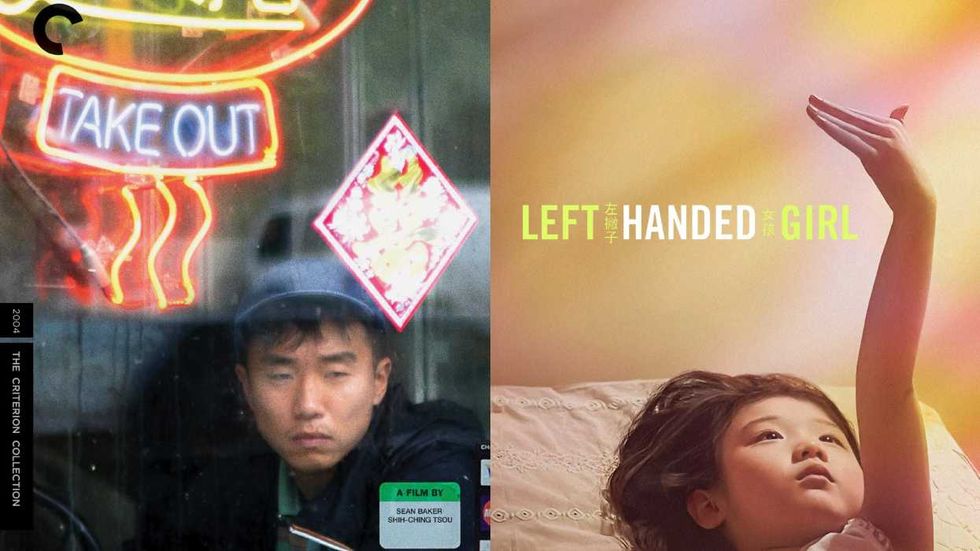 'Take Out' | 'Left-Handed Girl'Images from Criterion / TMDB.
This year, Shih-Ching will join us for a screening and Q&A of Left-Handed Girl, her iPhone-shot feature set inside Taipei’s night markets. A larger camera package would have changed the behavior of the real market and made the film harder to capture. The iPhone wasn’t a gimmick. It was the tool the film needed.
“Go out and talk to people, make friends, form a community, because you do need it. Film is all about teamwork.” - Shih-Ching Tsou, Director of Left-Handed Girl|PPF Episode 63
That’s the idea: not to separate emerging filmmakers into their own corner, but to give them a real seat at the table.
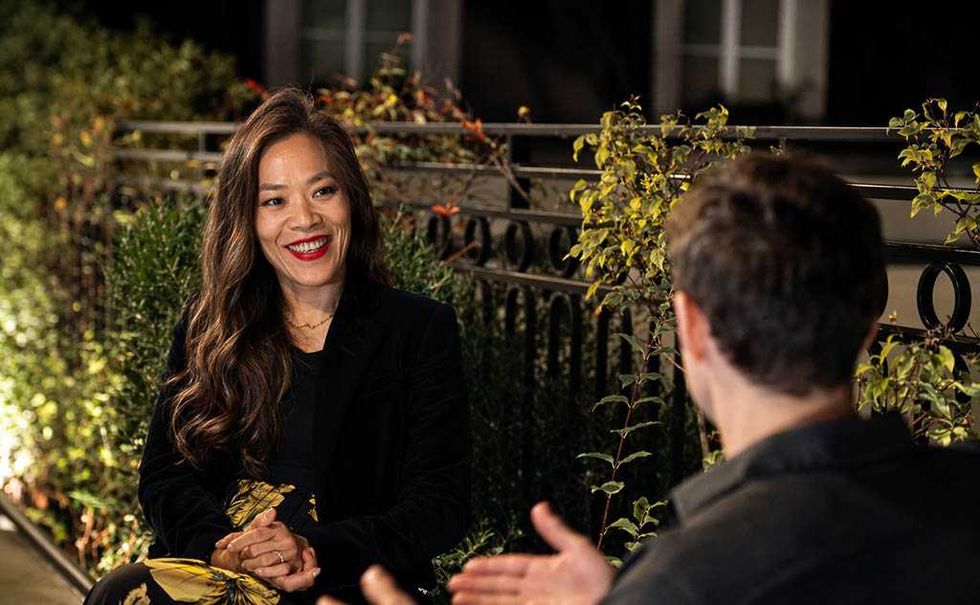 Marcus Mizelle interviews director Shih-Ching Tsou at the Deauville American Film FestivalCredit: Past Present Feature Film Festival
Community Can Sustain the Work
Tad Nakamura put this beautifully when we spoke about Third Act, his documentary about his father, pioneering filmmaker Robert A. Nakamura. He talked about making work for the Japanese American and wider Asian American community, and how that relationship became reciprocal.
“Because I made films for my own Asian American, Japanese American community, that community has really sustained a career for me.” - Tad Nakamura, Director of Third Act|PPF Episode 39
He also talked about how young filmmakers are often pushed to think individually about careers, awards, financing, and recognition, while getting far less encouragement to build a community and make work for one.
We often talk about finding an audience at the end of the process. A community is something you’re part of before, during, and after the movie exists. It shares information, comes to screenings, gives honest feedback, recommends the film, and supports the next project. It’s a relationship, not a market segment.
Vidiots, Videotheque, the Alex Theatre, American Cinematheque, No Film School, repertory cinemas, film clubs, podcasts, publications, and festivals all contribute in different ways.
One person keeps a theater or video store alive. Another writes about an underseen film or brings a friend to a screening.
When you give something back to the thing you love, your own relationship to it starts to make more sense. A filmmaking career can become extremely transactional. Those questions don’t go away, but they carry a little less weight when we also ask what we can offer.
When I spoke with Miles Williams about reviving the Alex, he described the mindset this way:
“I arrive with a listening heart. What does this community need? What is the history of this place? What does it whisper to me in the dark? What does it want to be?” - Miles Williams, Artistic Director, The Alex Theatre|PPF Episode 80
Start With the Version You Can Actually Make
Not everybody needs to start a festival. Based on the workload involved, I wouldn’t casually recommend it.
What I liked about Thom’s advice was that contributing to film culture can begin at almost any scale. Jeremy Workman, director of Secret Mall Apartment, made a similar point from the filmmaker’s side.
“Even if you think it’s going to be something you show in your basement to your friends, that’s something. That’s good enough.” - Jeremy Workman, Director of Secret Mall Apartment|PPF Episode 71
Secret Mall Apartment eventually played in theaters for months before reaching Netflix, but none of that could happen until the movie existed.
The project in your basement might not stay there. The five-person screening might grow into a series. Or maybe it stays small and still matters to the people who experienced it.
Your contribution could be inviting a few people over, supporting a local cinema, recommending a film that has slipped out of the conversation, sharing what you learned, or simply showing up when someone else creates the room. The point is to take part, not just consume.
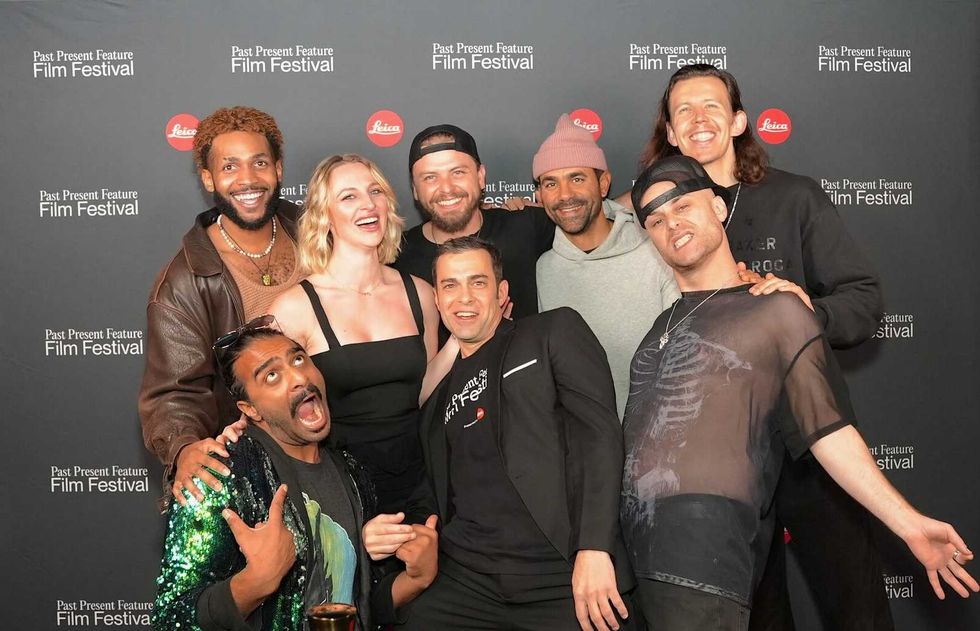 The full team behind the first year of the Past Present Feature Film FestivalCredit: Past Present Feature Film Festival
The Film Culture We Want Is Ours to Build
I don’t think any of us is going to save cinema, and I’m not convinced cinema needs us to save it. What it needs is participation.
We can help one film find an audience, keep one room active, or pass one lesson forward. When something we love feels fragile, giving it some life is more useful than writing its obituary.
If the gathering you want doesn’t exist, put together a small one. If nobody’s showing the film, see whether you can screen it. If you learned something the hard way, tell someone. If an older movie deserves another look, dust it off.
Past Present Feature began because I wanted to recreate the feeling of that room in Berlin. The podcast became one version of it, and the festival became another. Neither solves the larger problems facing independent film, but both add something, and that’s enough reason to keep going.
The film culture we want is ours to build, and it starts by passing something on.
The Past Present Feature Film Festival
Past Present Feature is on Apple Podcasts, Spotify, and all major platforms. Our second annual film festival returns Saturday, November 21, 2026, to Eastwood Revival (Eastwood Performing Arts Center), 1089 N. Oxford Ave., Hollywood. This year’s theme: “The pressure to conform. The will to resist.” All screenings are free with RSVP.
OPENING / THE FUTURE | 12:30 PM
FILIPIÑANA (Rafael Manuel), a Philippine country-club satire, won Sundance 2026’s Special Jury Award for Creative Vision and screened in Berlinale Perspectives.
BAD FOR A MOMENT (Daniel Soares) received a Short Film Special Distinction at Cannes in 2024; it tackles gentrification.
A full house unlocks a free short-to-feature development consultation with Marcus' Emmy-winning production company Forte Pictures.
CENTERPIECE / THE PRESENT | 4:00 PM
LEFT-HANDED GIRL (Shih-Ching Tsou), an iPhone-shot Taipei family drama, premiered at Cannes Critics’ Week and was Taiwan’s 2026 Oscar entry. Tsou joins us in person for a Q&A.
A WOLF IN THE SUBURBS (Amélie Hardy), a mixed-format documentary about suburban conformity, won REGARD’s 2026 Canadian Grand Prize and FIPRESCI Prize.
A full house unlocks a Beastgrip iPhone accessories package featuring tools used on Left-Handed Girl.
CLOSING / THE PAST | 8:00 PM
LA HAINE (1995) earned Mathieu Kassovitz the Cannes Best Director prize; our screening features exclusive filmed material with producer Christophe Rossignon and cinematographer Pierre Aïm.
A LIEN (Sam and David Cutler-Kreutz) earned a 2025 Oscar nomination for Best Live Action Short and follows a couple at a green-card interview.
A full house unlocks a vintage La Haine poster.
Each block has 99 seats. Giveaways happen only if the corresponding block is fully reserved.
Reserve your free seats: https://pastpresentfeature.eventive.org/schedule_+_tickets