The Great Live Sports Migration Is Redefining Streaming Bundles and FAST
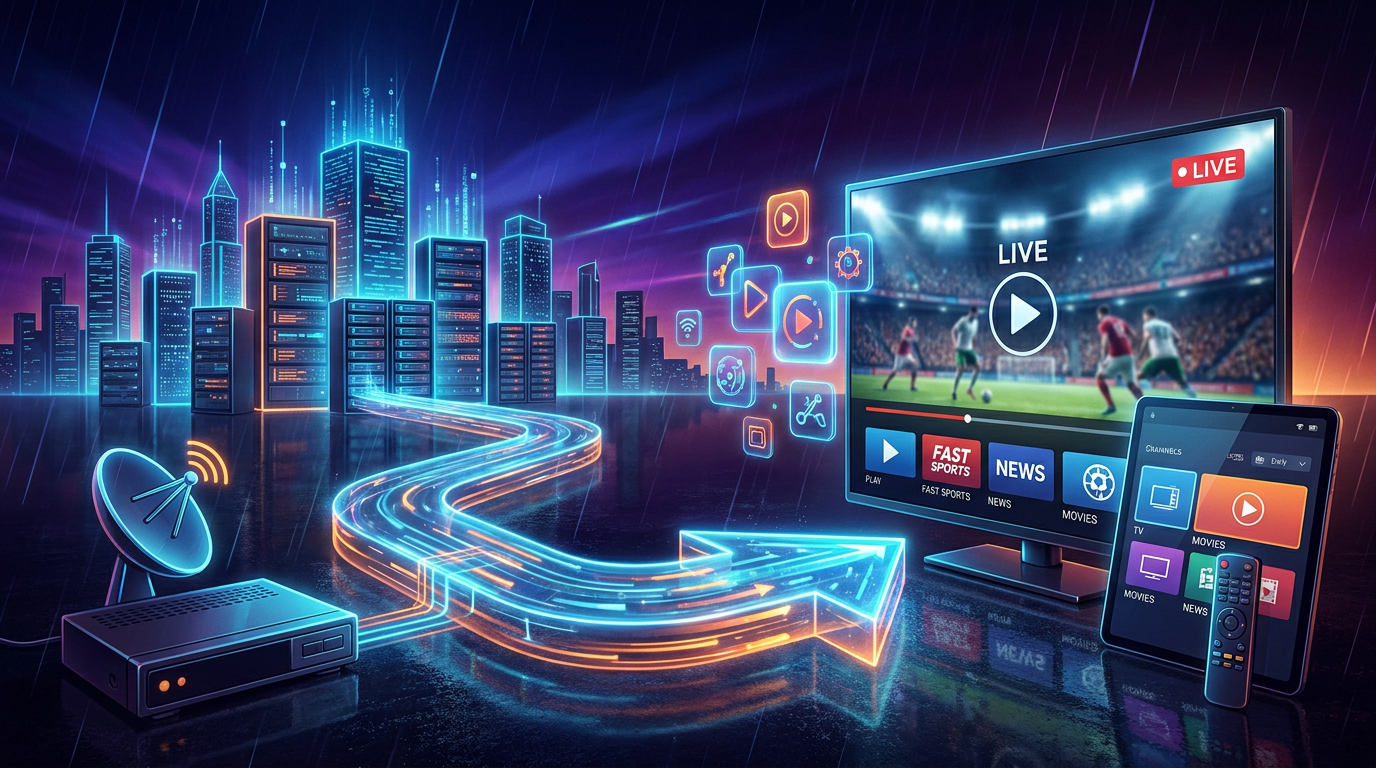
Live sports rights have definitively fragmented across subscription streamers and free ad-supported television platforms. As cord-cutters confront subscription fatigue, media giants are turning to hybrid FAST channel strategies to monetize shoulder programming and regional sports networks.
In brief: Streaming services and FAST platforms have completed their takeover of premium live sports, forcing consumers to navigate a fractured broadcast landscape. Media conglomerates are responding by bundling live event access with free ad-supported channels, reshaping how regional and secondary sports reach mass audiences.
The comprehensive migration of tier-one live sports away from traditional linear cable and onto digital platforms has reached its inflection point. What began as experimental simulcasts and single-night streaming packages has transformed into an era where flagship soccer fixtures, pro football showdowns, and major league basketball games are locked behind distinct app interfaces. This realignment has fundamentally restructured subscriber retention metrics while simultaneously pushing consumer frustration over ecosystem fragmentation to historic highs.
The Anchor Tenant of Subscription Retention
For premier subscription video-on-demand operators, live athletic competition represents the ultimate defense against monthly subscriber churn. While prestigious scripted dramas and big-budget feature films trigger cyclical signup-and-cancellation cycles, year-round live sports packages consistently anchor household accounts. Streaming executives are willing to absorb astronomical rights fees because live sports command appointment viewing, ensuring immediate and predictable concurrent viewership numbers that traditional on-demand catalog releases simply cannot replicate in a fragmented cultural environment.
Yet the economic weight of these multi-billion-dollar sports rights is actively reshaping platform tiering structures. Pure ad-free tiers are disappearing as platforms shift live inventory exclusively toward ad-supported subscriptions or premium sports add-on packages. High-profile sporting events provide the exact high-value inventory that automated ad networks crave, enabling streamers to secure premium programmatic ad rates and scale interactive, addressable commercial formats during high-leverage broadcast moments.
FAST Channels Emerge as the Regional Savior
Parallel to the premium subscription gold rush, Free Ad-Supported Streaming TV channels have emerged as the surprise savior for secondary sports leagues and struggling regional sports networks. With the collapse of legacy regional cable bundles, local franchises faced a distribution blackout that threatened to alienate entire generations of local fans. Media conglomerates have addressed this crisis by launching dedicated, geofenced FAST sports channels that broadcast live games for free alongside deep archives of shoulder programming and local sports talk.
This hybrid approach creates an efficient two-way monetization funnel. By offering mid-tier matches, minor league content, and extensive pre-game analysis on free platforms, sports rights holders maintain essential top-of-funnel reach among younger cord-nevers. When high-stakes playoff games or championship matches occur, these FAST feeds act as promotional engines, driving authenticated users directly into the company’s paid subscription platform with frictionless, single-click subscription prompts.
The Friction of Consumer Fragmentation
The mounting consumer backlash against this splintered ecosystem cannot be overstated. A sports enthusiast following multiple leagues in late 2026 must routinely manage a half-dozen standalone apps, specialized streaming packages, and evolving channel guides to watch a single weekend of games. This friction has accelerated the push toward cross-corporate streaming bundles, where former rival platforms are packaging their sports rights together in unified billing hubs to stem churn and mimic the simplicity of the legacy cable guide.
The next frontier in digital sports distribution will be defined by friction-free discoverability and aggregate interface design. As platform wars mature, operating system gatekeepers and smart TV manufacturers hold significant leverage, steering viewers through universal program guides that aggregate fragmented rights packages into a unified interface. The media giants that successfully integrate live premium sporting drama with zero-friction viewing and free ad-supported programming will dominate the streaming economics of the decade ahead.