Watch This Before Seeing the Uncensored Director’s Cut of ‘The Devils’
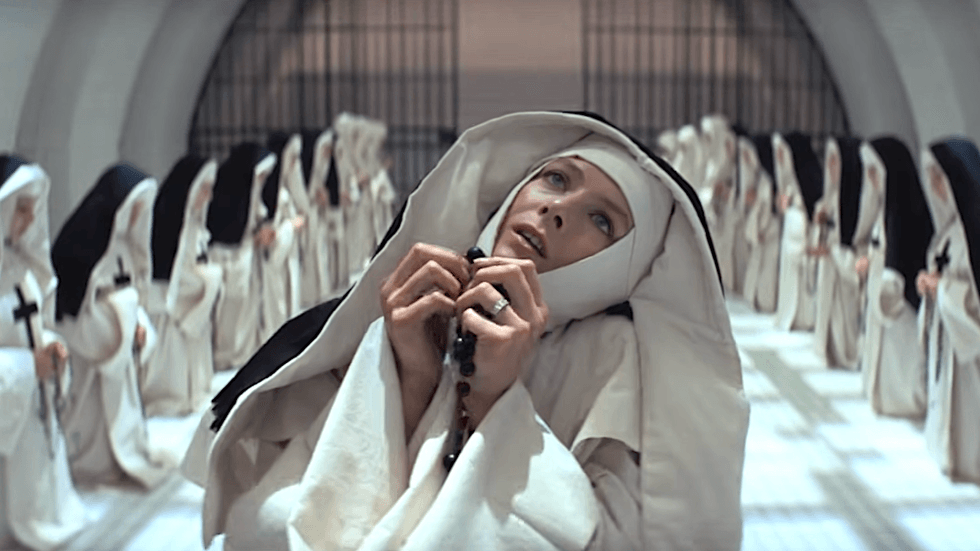
Sacrilegious, censored, and based on real events. Ken Russell’s The Devils (1971) has faced intense scrutiny for the on-screen depictions of sexual perversion and religious corruption surrounding a 17th-century convent. It’s been heavily censored, sometimes outright banned, for decades, and in the rare opportunity it did become available to stream, you weren’t seeing the version that Russell inten

Sacrilegious, censored, and based on real events.
Ken Russell’s The Devils (1971) has faced intense scrutiny for the on-screen depictions of sexual perversion and religious corruption surrounding a 17th-century convent. It’s been heavily censored, sometimes outright banned, for decades, and in the rare opportunity it did become available to stream, you weren’t seeing the version that Russell intended.
I got around to watching The Devils a few years ago when I was writing a piece on “scary nuns,” in large part due to The Nun II (2023) hitting theaters at the time. It led me down the rabbit hole into the exploitation subgenre, nunsploitation, where one of the most artful and sinful of those films was Russell’s 1970s masterpiece.
No matter how blasphemous the critics accused it of being, there was real artistry behind the production that made it truly immaculate. More shocking than the scenes, or the overreactive efforts to sanitize it, is the limited release of the uncensored, 4k restoration, Director’s Cut that will be going into theaters for one week this October.
It’s been locked away in the Warner Bros. vault — until now. You should absolutely see it, but there is a documentary you should watch first if you want to learn more about the infamous legacy of The Devils.
Keep reading to find out why.
Possessed Nuns and a Witch Trial
 ‘The Devils’ (1971)Credit: Warner Bros.
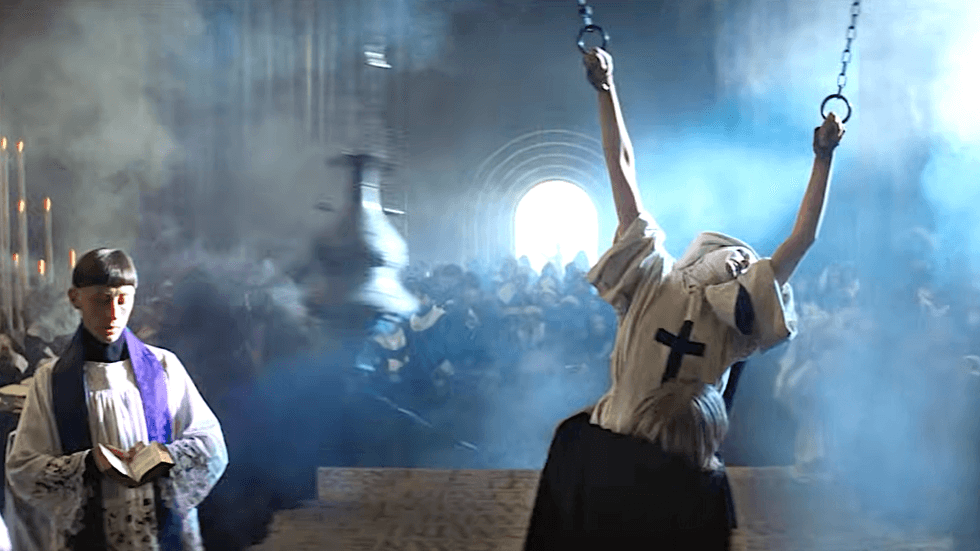
Based on a 1961 stage play and the non-fiction book The Devils of Loudun by Aldous Huxley, The Devils takes place in 1630s Loudun, France, where the sexually repressed, hunchbacked abbess of the town’s convent, Sister Jeanne des Anges (Vanessa Redgrave), accuses the man she is obsessed with, the vain and promiscuous Father Grandier (Oliver Reed), of witchcraft.
The accusation turns into a power struggle between Grandier and the church and state authorities, with mass hysteria erupting within the convent, resulting in medieval torture and death by burning at the stake.
Redgrave and Reed give provocative lead performances, with the supporting cast matching their intensity; the cinematography, the score, and the set design are just as striking in capturing the director’s vision.
That brings us to the documentary, Hell on Earth: The Desecration and Resurrection of The Devils (2002), with interviews from the people involved in making or condemning the film.
Transgressive Art and Censorship
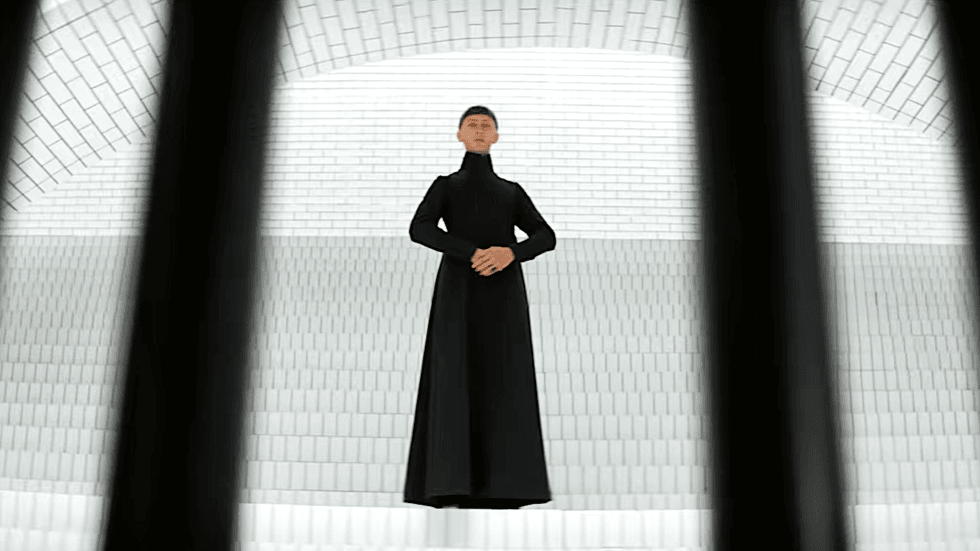
This was the first film that artist Derek Jarman worked on as production designer, before he became an influential filmmaker in queer cinema. There is behind-the-scenes footage of Jarman’s work on the sound stages that recreated Loudun by modernizing the 17th-century town with stark white walls and tiles.
As for the controversies, they began in the middle of filming. Newspapers ran headlines like “Hell’s Belles” that could have been a title of a nunsploitation flick. Upon the movie’s release, writer and critic Alexander Walker detested what Russell put on-screen, and there is a memorable scene where they recalled a televised argument they had that ended with Russell hitting Walker on the head with the newspaper that had printed the critic’s review.
The host of Hell on Earth is film critic Mark Kermode. He has long supported The Devils being restored with key scenes that were ripped from the theatrical version, such as a notorious sequence referred to as the “Rape of Christ.” Despite how extreme this particular sequence is, there is a genuine thematic and artistic reason for it to be in the film.
Hell on Earth spoils pretty much everything (so keep that in mind), but watching it can help you appreciate the creativity and passion that went into The Devils.
The Return of The Devils
 ‘The Devils’ (1971)Credit: Warner Bros.
The Nun II might have led me to watch The Devils, but make no mistake, you can’t compare the two. The first is an easy-to-digest, mainstream horror movie where you sit back and jolt at the jump scares; the latter is a troubling, unflinching presentation of graphic nudity and graphic violence that looks at how the past and the present have plenty in common.
I have watched several other films by Russell, including Crimes of Passion (1984), Gothic (1986), and The Lair of the White Worm (1988), all of which are filled with imagery that sways between the erotic and the repulsive. The Devils is the one I’m fascinated by the most, because of the subject matter and the controversial reputation.
It will be going into theaters for one week only: in American theaters starting October 16 and in UK theaters starting October 30. I will certainly be watching it in all of its scandalous, complete glory.
Will you be seeing The Devils?