Why Video Podcasts Are Rewriting Audio Streaming Economics
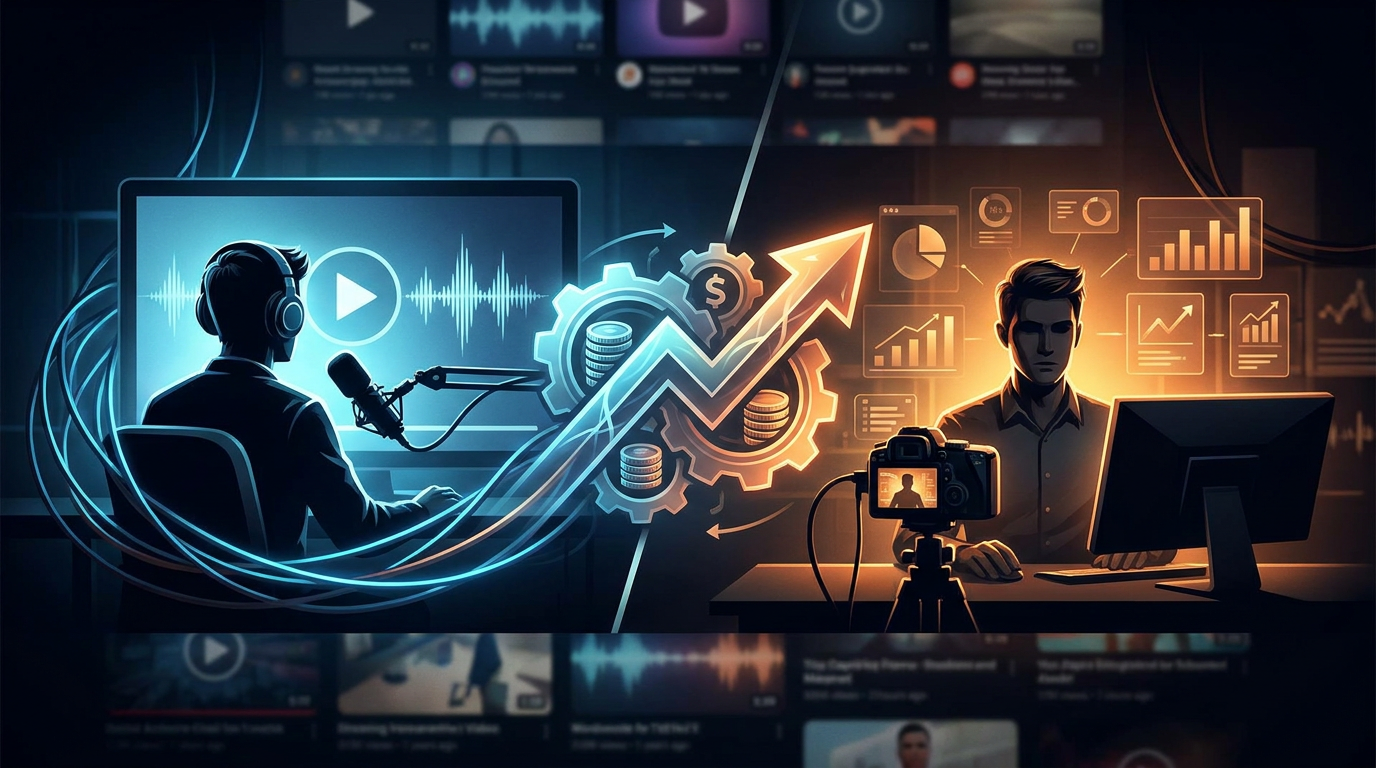
Audio streaming platforms are pouring resources into video feeds as pure audio monetization hits a ceiling. Here is how Spotify, YouTube, and Apple are reshaping the podcast ecosystem into visual-first broadcast empires.
In brief: The podcast landscape has irrevocably shifted toward video, forcing audio streaming services to rethink ad tiers and distribution models. As creator payouts increasingly hinge on visual engagement, traditional audio networks must adapt or risk losing high-earning talent to visual-native platforms.
For over a decade, podcasting operated on the promise of passive, screen-free intimacy. That era has officially closed as major digital distributors transform their audio apps into hybrid video hubs designed to command total user attention. The catalyst behind this shift is fundamentally economic: audio-only programmatic advertising has long struggled with lower conversion metrics and inventory caps compared to targeted digital video. By turning conversation shows into full-scale multicamera broadcasts, networks can unlock lucrative pre-roll and mid-roll video ad rates that dwarfed their previous audio sponsorship sheets.
The War for Visual Feeds
YouTube pioneered this transition almost by accident, becoming the default listening platform for millions simply through creator-uploaded recording sessions and automated clipping algorithms. Recognizing the existential threat to their core business, specialized audio streamers responded by building dedicated video hosting tools and paying premiums for visual windowing rights. Creators quickly realized that static audio feeds lacked discoverability, whereas algorithmic short-form clips could drive millions of viewers back to full-length episodes. Today, launching an audio-first talk format without a coordinated visual distribution strategy is widely viewed across the entertainment sector as an operational non-starter.
This visual evolution carries profound implications for production budgets and studio infrastructure. Independent hosts who previously recorded in home closets with basic USB microphones now face escalating equipment overheads, including studio lighting, high-definition camera arrays, and dedicated video editing teams. Production companies are consolidating, as mid-tier shows struggle to fund this visual parity without institutional backing. Consequently, the gap between top-tier celebrity broadcasts and grassroots audio projects has widened into a chasm, changing the democratic nature of podcasting into something resembling syndicated television.
What Happens to Audio-First Content?
Despite the aggressive pivot toward screens, linear audio listening during commutes, workouts, and chores still forms the bulk of total consumption hours. Distributors face a delicate balancing act, as clunky video features risk alienating legacy listeners who rely on low-data, background playback. Platforms that bury their pure audio directories under heavy visual feeds frequently draw consumer ire, sparking debates over interface bloat. Streamers must ensure their recommendation engines serve commuter habits while simultaneously courting advertisers hungry for active screen impressions.
Moving forward, the defining challenge for the audio industry will be balancing production sustainability with platform exclusivity. Creators are growing increasingly resistant to walled-garden distribution deals, opting instead for multi-platform distribution strategies that maximize their ad exposure across both video and audio channels. As streaming platforms recalibrate their creator funds and algorithmic payouts, the winners will be those who can seamlessly monetize both background listeners and engaged viewers without compromising the user experience.